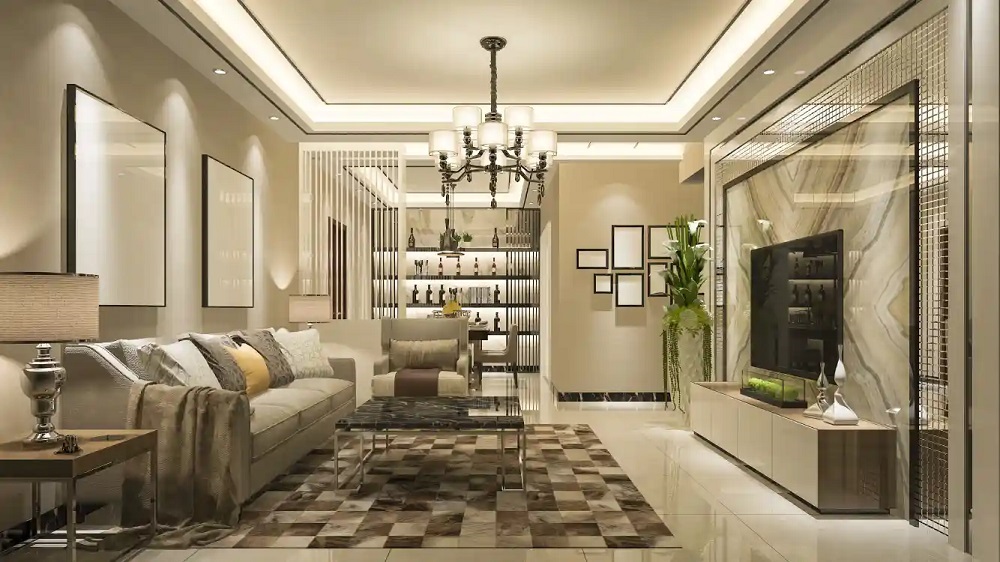
Modern interior design has evolved beyond mere functionality, placing a significant emphasis on the psychological and aesthetic impact of light. Decorative lighting is no longer an afterthought; it is the jewelry of the home. When executed correctly, it defines architectural boundaries, highlights textures, and sets the emotional tone of a space. Achieving a sophisticated look requires a strategic blend of various lighting layers, fixture styles, and technological integration.
The Foundations of Modern Lighting Design
Before selecting fixtures, it is essential to understand the three pillars of residential lighting: ambient, task, and accent lighting. In a modern home, these layers must work in harmony to avoid the sterile “surgical” feel often associated with poorly implemented LED setups.
-
Ambient Lighting: This is the base layer of illumination. In modern homes, this often comes from recessed cans or large-scale flush mounts that provide a steady wash of light.
-
Task Lighting: This is focused light used for specific activities like reading, cooking, or grooming. Modern design often hides these sources, such as under-cabinet LED strips in kitchens.
-
Accent Lighting: This is where decorative lighting shines. It is used to draw attention to artwork, architectural features, or the fixture itself as a sculptural element.
Statement Chandeliers and Sculptural Pendants
The centerpiece of a modern dining room or entryway is often a statement chandelier. Unlike traditional crystal designs, modern chandeliers favor geometric shapes, asymmetrical balances, and raw materials.
Geometric Minimalism
Linear chandeliers are particularly effective over rectangular dining tables or kitchen islands. Look for fixtures that utilize slim black or brass frames with integrated LED silhouettes. These provide a clean, unobstructed view while offering high-lumen output.
Organic and Biophilic Forms
A major trend in modern interiors is the move toward organic shapes. Pendants made from hand-blown glass, woven rattan, or molded paper add a softness to the sharp lines of modern furniture. Large, globe-shaped pendants hung at varying heights can create a sense of movement and “organized chaos” in a double-height living room.
Integrated Architectural Lighting
In contemporary design, sometimes the most effective lighting is the kind you cannot see. Integrated lighting involves building light sources directly into the home’s structure, creating a seamless glow.
Cove and Tray Lighting
Installing LED tape lights within ceiling coves or wall recesses directs light upward, reflecting off the ceiling to create a soft, ethereal glow. This technique makes ceilings appear higher and provides a luxurious, hotel-like atmosphere.
Toe-Kick and Floating Effects
In kitchens and bathrooms, adding LED strips to the toe-kick (the recessed space under cabinets) creates the illusion that the cabinetry is floating. This serves as an excellent nightlight and adds a futuristic dimension to the room.
Enhancing Textures with Wall Sconces
Wall sconces have transitioned from traditional bedside lamps to versatile decorative tools. In a modern hallway or living area, sconces serve as functional art.
-
Up-and-Down Lighting: Fixtures that cast light both upward and downward are perfect for highlighting textured wallpaper, stone veneers, or wood-paneled walls.
-
Swing-Arm Sconces: In minimalist bedrooms, swing-arm sconces save space on nightstands while providing a sharp, industrial aesthetic. Matte black or brushed gold finishes are currently the standard for modern luxury.
-
Artistic Glass: Sconces featuring smoked glass or alabaster discs diffuse light beautifully, turning a plain wall into a focal point without the need for hanging art.
The Role of Floor and Table Lamps as Decor
Portables are the most flexible decorative lighting options. They allow homeowners to redefine a space without calling an electrician.
Arc Floor Lamps
The iconic arc lamp remains a staple of modern design. Its long, sweeping neck allows it to provide overhead light to a seating area or coffee table without the need for a ceiling junction box. It introduces a curved silhouette that breaks up the rigid lines of modern sofas.
Material Contrast in Table Lamps
Modern table lamps often experiment with heavy bases and delicate shades. A lamp with a solid marble or concrete base paired with a linen shade provides a tactile contrast. For a more “high-tech” look, cordless, rechargeable LED table lamps are becoming popular, allowing for centerpiece lighting on dining tables or outdoor patios without unsightly wires.
Strategic Use of Color Temperature
The “color” of the light is just as important as the fixture. Modern interiors usually benefit from a specific range on the Kelvin scale.
-
2700K to 3000K (Warm White): Best for living rooms and bedrooms to create a cozy, inviting atmosphere.
-
3500K to 4000K (Neutral White): Ideal for kitchens and home offices where clarity and focus are required.
Avoid anything above 5000K in a residential setting, as it can appear blue and cold, stripping the warmth from natural wood and fabrics.
Smart Lighting and Automation
A modern home is incomplete without an integrated control system. Decorative lighting is enhanced when it can be dimmed or color-shifted based on the time of day.
Smart dimmers allow you to create “scenes.” For example, a “Dinner Party” scene might dim the ambient recessed lights to 20 percent while keeping the decorative pendant over the table at 60 percent, creating a focused, intimate pool of light. This level of control ensures that the decorative fixtures are always shown in their best light.
Kitchen and Dining Room Specifics
The kitchen is often the heart of the modern home, requiring a mix of high-functionality and high-style.
-
Island Pendants: Rule of three is common, but two oversized pendants can create a bolder, more contemporary statement.
-
Inside Cabinet Lighting: Glass-front cabinets with internal spotlights turn your glassware and ceramics into a decorative display.
-
Dining Nooks: A low-hanging, wide-brimmed pendant in a breakfast nook creates a “room within a room” feeling, fostering a sense of enclosure and comfort.
Master Bedroom Lighting for Relaxation
In the bedroom, decorative lighting should focus on softness. Instead of a single overhead light, use a combination of:
-
Pendant “Nightstands”: Hanging small pendants from the ceiling on either side of the bed instead of using table lamps.
-
Backlit Headboards: LED strips behind a custom headboard create a soft halo effect that is perfect for winding down at night.
-
Floor Lamps in Corners: A tall, slender floor lamp in a corner chair area adds depth and prevents the room from feeling flat.
Common Mistakes to Avoid
Even with the most expensive fixtures, certain errors can ruin the modern aesthetic.
-
Over-lighting: Modern design thrives on shadows. If every corner of the room is equally bright, the decorative fixtures lose their impact.
-
Improper Scaling: A tiny chandelier in a large room looks accidental. When in doubt, go slightly larger for a more intentional, designer look.
-
Ignoring the Bulb: Visible “Edison” bulbs can be stylish, but in many modern fixtures, they can be too bright or the wrong color. Always check if the fixture is designed for a frosted or clear bulb.
Frequently Asked Questions
What is the ideal height to hang a pendant over a kitchen island?
In most modern settings, the bottom of the pendant should be between 30 and 36 inches above the surface of the counter. This allows for clear sightlines across the room while still providing effective task lighting.
How do I choose the right finish for my lighting fixtures if I have mixed metals in my home?
The key is to have a “dominant” metal and an “accent” metal. For example, if your kitchen faucets and hardware are matte black, you can use brushed brass for your decorative pendants to create a warm, sophisticated contrast. Generally, sticking to two finishes prevents the space from looking cluttered.
Can I use decorative lighting in a small apartment without it feeling cluttered?
Yes, the best approach for small spaces is to use “leggy” or transparent fixtures. Glass globes or thin wire frames provide the decorative element without visually occupying too much volume. Additionally, using wall-mounted sconces instead of floor lamps frees up valuable floor real estate.
What is the difference between CRI and why does it matter for decorative lighting?
CRI stands for Color Rendering Index. It measures how accurately a light source reveals the true colors of objects. For decorative lighting, especially near art or in dining areas, you should look for bulbs with a CRI of 90 or higher. This ensures that your decor and food look vibrant and natural.
How do I clean modern light fixtures made of delicate materials like hand-blown glass or fabric?
For glass, a microfiber cloth lightly dampened with a mixture of water and a drop of dish soap is usually sufficient. For fabric or paper shades, use a lint roller or a soft-bristled brush to remove dust without pressing it into the fibers. Always turn the power off and ensure the bulbs are cool before cleaning.
Is it necessary to have a dimmer switch for every decorative light?
While not strictly necessary, it is highly recommended. Modern interiors are multipurpose. A dining room might be used for homework during the day (needing bright light) and a dinner party at night (needing soft light). Dimmers provide the flexibility to change the mood instantly.
How can I add decorative lighting to a rental property where I cannot change the wiring?
Plug-in wall sconces and arc floor lamps are the best solutions. Many high-end modern sconces now come with “pin-up” kits that allow you to mount them on the wall and plug them into a standard outlet, with decorative cord covers that add to the aesthetic.