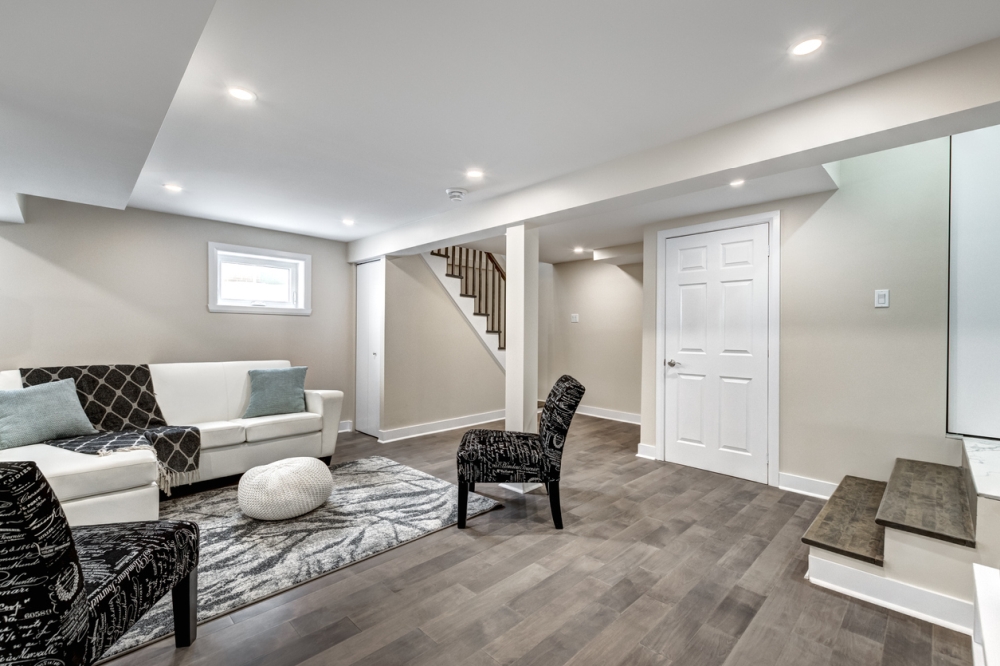
Selecting the right flooring for moisture-prone areas is one of the most critical decisions a homeowner can make during a renovation. In spaces like bathrooms and basements, the presence of water is an absolute certainty, whether through daily humidity, accidental spills, or the persistent threat of groundwater seepage. Traditionally, choices were limited to cold, hard surfaces that lacked aesthetic warmth. However, advancements in material science have introduced a new generation of waterproof flooring that combines high-end design with impenetrable durability. This guide explores the best options available today, focusing on performance, installation, and long-term maintenance.
Understanding the Difference Between Water-Resistant and Waterproof
Before diving into specific materials, it is vital to distinguish between two terms often used interchangeably by sales representatives: water-resistant and waterproof. This distinction can be the difference between a floor that lasts decades and one that buckles after a single plumbing leak.
Water-resistant flooring is designed to withstand moisture on the surface for a limited time. Typically, if a spill is wiped up within a few hours, the floor remains unaffected. However, if water sits long enough or seeps into the joints, it can reach the core material—often wood fibers—causing swelling and permanent damage.
Waterproof flooring, on the other hand, is constructed from materials that are inherently immune to moisture. Even if a basement floods or a bathtub overflows, these materials will not absorb water, lose their structural integrity, or support the growth of mold and mildew. For bathrooms and basements, true waterproof options are the only logical choice.
Luxury Vinyl Plank and Tile (LVP and LVT)
Luxury Vinyl has revolutionized the flooring industry, becoming the most popular choice for modern basements and bathrooms. It offers an incredible balance of affordability, style, and total moisture protection.
Rigid Core Technology: SPC and WPC
The secret to the success of modern vinyl is its core construction. There are two primary types of rigid core vinyl:
-
Stone Plastic Composite (SPC): This core is made of limestone and stabilizers. It is incredibly dense, making it highly resistant to dents and temperature fluctuations. It is the preferred choice for basements where the concrete subfloor may be uneven or subject to shifting.
-
Wood Plastic Composite (WPC): Despite the name, WPC is entirely waterproof. The core uses a foaming agent to create a softer, warmer feel underfoot. It is slightly thicker than SPC and offers better sound insulation, making it a favorite for master bathrooms.
Design Versatility
Modern printing technology allows luxury vinyl to mimic the look of reclaimed hardwood, marble, or slate with startling realism. Embossed-in-register textures even allow the feel of the floor to match the visual grain of the wood or stone depicted.
Porcelain and Ceramic Tile: The Classic Standard
Tile remains the gold standard for bathrooms due to its near-infinite lifespan and absolute resistance to water. When properly installed and grouted, it creates a surface that is virtually indestructible.
-
Porcelain Tile: Porcelain is denser and less porous than ceramic, making it the superior choice for high-moisture environments. It is fired at higher temperatures, which results in a harder tile that can withstand significant wear and tear.
-
Ceramic Tile: While slightly more porous than porcelain, ceramic is still an excellent waterproof option for bathrooms. It is generally easier to cut and install for DIY enthusiasts and comes in a wider variety of decorative glazes.
The main drawback of tile in basements is its temperature. Because it is installed directly over concrete, it can feel very cold. However, this can be mitigated by installing radiant heating mats beneath the tile, turning a chilly basement floor into a luxurious, warm surface.
Engineered Hardwood: The Water-Friendly Exception
For years, hardwood was considered a “forbidden” material for bathrooms and basements. Natural wood expands and contracts with humidity, leading to warping. Engineered hardwood was developed to solve this problem, though homeowners must still exercise caution.
Engineered hardwood consists of a thin veneer of real wood bonded to a plywood or high-density fiberboard base. The cross-grain construction provides stability, preventing the wood from moving as much as solid planks. Some manufacturers now offer “waterproof engineered hardwood,” which features a waterproof core (similar to SPC vinyl) topped with a real wood veneer and a heavy-duty sealant. While more expensive, this allows for the authentic warmth of real wood in areas where it was previously impossible.
Sheet Vinyl: The Seamless Solution
Often overlooked because of its association with dated 1970s kitchens, modern sheet vinyl is a high-performance, budget-friendly waterproof option. Unlike luxury vinyl planks, which have seams every few inches, sheet vinyl comes in large rolls that can often cover a small bathroom in a single piece.
The lack of seams is a massive advantage in bathrooms. If a toilet leaks, there are no cracks for the water to enter. When installed with a “flash coving” technique—where the vinyl is curved up the wall to act as a baseboard—it creates a completely waterproof basin.
Concrete: The Industrial Aesthetic for Basements
In many modern basement renovations, the best flooring choice is the one that is already there. Polished concrete is a growing trend that embraces the industrial heritage of a home.
By grinding the concrete to a high shine and applying a professional-grade sealant or epoxy coating, homeowners can create a stunning, waterproof floor. Epoxy coatings are particularly useful because they can be customized with metallic pigments or decorative flakes. These floors are immune to flood damage and are incredibly easy to clean, making them ideal for basement laundry rooms or workshops.
Installation Considerations for Moisture Zones
Regardless of the material chosen, the success of a waterproof floor depends on the preparation of the subfloor and the quality of the installation.
-
Moisture Testing: Before installing flooring in a basement, it is essential to perform a calcium chloride test or use a moisture meter on the concrete. If the subfloor is emitting too much vapor, a dedicated moisture barrier or vapor retarder must be laid down first.
-
Expansion Gaps: Even waterproof floors like LVP need a small gap around the perimeter of the room to account for the home’s natural settling. This gap is hidden by baseboards or quarter-round molding.
-
Acclimation: Always allow your flooring materials to sit in the room for at least 48 hours before installation. This ensures the material reaches the same temperature and humidity level as the environment, preventing post-installation shifting.
Maintenance and Longevity
Waterproof floors are designed to be low-maintenance, but they are not maintenance-free. To keep them looking new, avoid using steam mops on vinyl or engineered hardwood, as the intense heat and pressure can eventually break down the adhesive bonds. Instead, use a damp microfiber mop and a pH-neutral cleaner. For tile, periodic sealing of the grout lines is necessary to prevent staining and to maintain the water-tight integrity of the surface.
FAQ
Can I install waterproof laminate in a bathroom?
While many manufacturers now market “waterproof laminate,” it is important to read the fine print. Most are only waterproof for a set period, such as 24 or 72 hours. Unlike vinyl or tile, the core of laminate is still made of wood by-products. If water remains in the joints for an extended period, it will eventually cause the floor to fail. For a full bathroom with a shower, vinyl or tile is a safer investment.
Does waterproof flooring prevent mold growth?
The flooring material itself may be inorganic and mold-resistant, but mold can still grow under the floor if water gets trapped between the flooring and the subfloor. In basements, it is often recommended to use an underlayment with a built-in air gap to allow the subfloor to “breathe” and prevent moisture from becoming stagnant.
Is it possible to install LVP over existing tile?
Yes, most rigid core luxury vinyl planks can be installed directly over existing ceramic tile, provided the tile is in good condition and the grout lines are not excessively deep. This can save a significant amount of time and money on demolition.
What is the best waterproof flooring for a home with pets?
SPC Luxury Vinyl Plank is widely considered the best option for pet owners. It is waterproof, so accidents won’t ruin the floor, and its stone-based core is exceptionally resistant to scratches from claws. It also provides better traction for pets than high-gloss tile.
Do waterproof floors require a special underlayment?
It depends on the product. Many high-quality LVP products come with a pre-attached cork or foam pad, which eliminates the need for a separate underlayment. However, for basements, adding a dedicated vapor barrier is still a wise precaution to protect the integrity of the locking joints from rising moisture.
How does flooding affect a waterproof floor?
If a “waterproof” floor is submerged in a flood, the material itself will survive. You can often uninstall LVP, clean the planks and the subfloor, let everything dry completely, and then reinstall the same floor. This is a massive financial advantage compared to carpet or solid hardwood, which would have to be discarded.
Why is porcelain considered better than ceramic for bathrooms?
Porcelain has a water absorption rate of less than 0.5 percent. While ceramic is also very resistant, porcelain’s higher density means it is less likely to crack and more resistant to the heavy moisture and humidity found in bathrooms over many decades.