Key Takeaways
Faux stone siding usually costs about half as much as real stone, making it a great option for homeowners on a budget. This means you might have some cash left over for other improvements around the house.
It can be more eco-friendly, featuring recycled materials and using energy-efficient production methods compared to the quarrying of natural stone.
Over five years, it’s not uncommon for faux stone siding to experience wear and tear, like color fading or mold issues. You’ll need to commit to regular upkeep to keep it looking good.
There are often hidden costs when installing faux stone siding, including labor, prep work, and potential weather delays, all of which can unexpectedly impact your budget.
To keep faux stone siding in top shape, you’ll want to clean and maintain it regularly. This includes everything from inspection to sealing joints to keep it looking fresh.
Picking the right color and texture for your siding is key; there are plenty of options, and you should choose ones that really fit with your home’s overall look.
Many homeowners have noticed a boost in property value and curb appeal after installing faux stone siding. Yet, some have felt regret due to mismatched aesthetics or overlooked maintenance.
Why Faux Stone Siding Might Be Your Best Material Choice
Cost vs. Real Stone: The Financial Dilemma
When I first looked into faux stone siding for my own place, the stark difference in price between faux and natural stone really struck me. Natural stone? Those quotes were wild—always way over my budget. But faux stone? It had a much friendlier price tag, often around half that of the real deal. I was left thinking, what gives? Is there a downside? Well, it turns out the lower price might just free up some funds for other improvements. But let’s delve into what drives those costs.
- Material Costs: Faux stone’s made from lightweight aggregates and polymers, which are cheaper than excavating real stone.
- Transport Costs: Hefty natural stone can rack up transport costs fast. Faux stone, being lighter, keeps shipping expenses lower.
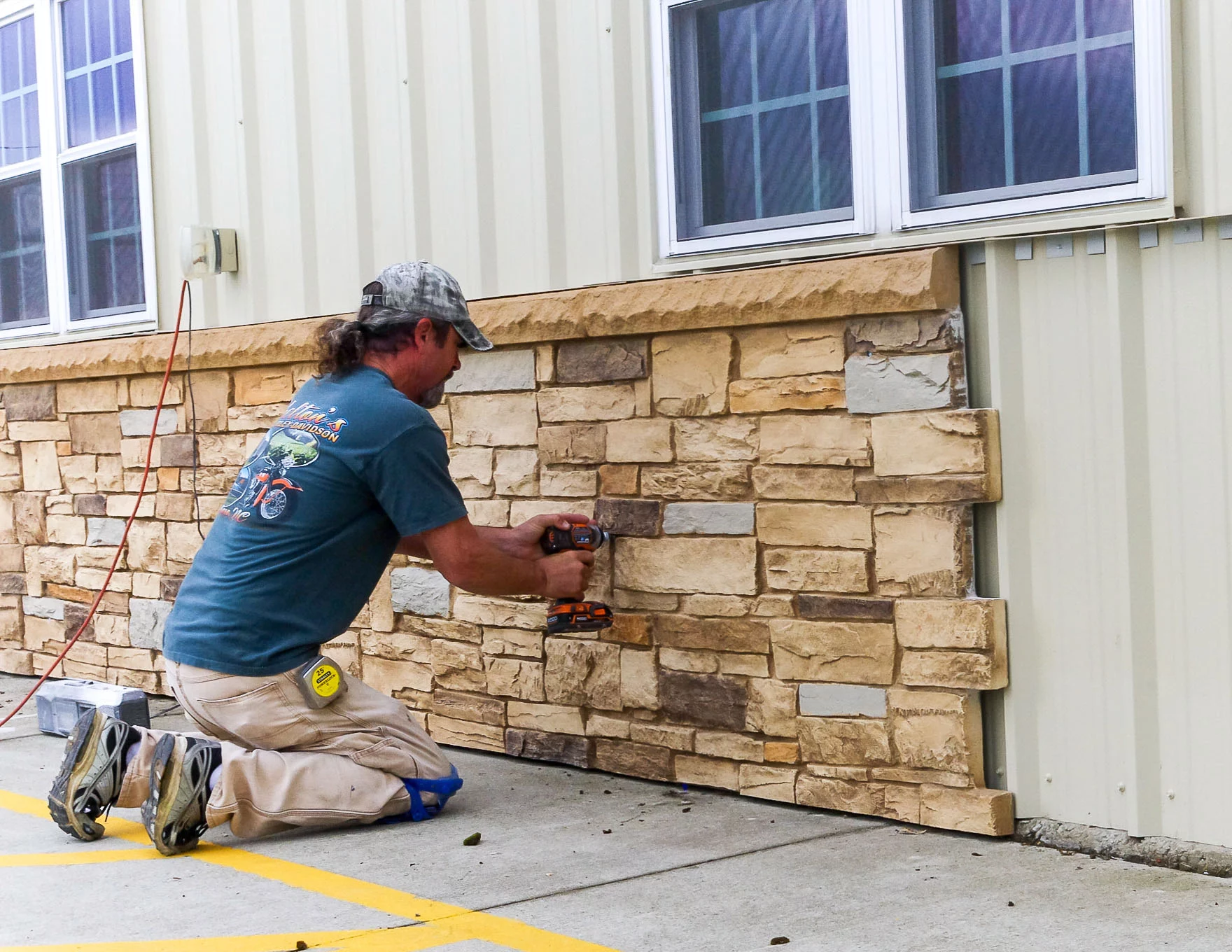
- Installation Costs: Because of its lighter weight, faux stone often needs less labor, meaning it can be installed quicker.
But don’t just focus on those initial costs. It’s crucial to also think about long-term value — the lifespan, how it looks, and what it adds to your property’s worth.
Sustainability Factors: Is Faux Stone the Eco-Friendly Option?
So, could faux stone siding be an environmentally friendly choice? Some folks think so, while others are a bit skeptical. A lot of manufacturers are shifting to greener processes nowadays. They’re embracing recycled materials and eco-conscious techniques. I’ve seen claims that faux stone production can even require less energy than extracting real stone. But, numbers aren’t always straightforward; it’s smart to check the math yourself.
- Recycled Content: Many faux stones utilize reclaimed materials, which is definitely a plus for the environment.
- Energy Efficiency: Its lighter composition may lead to lower energy use when manufacturing and transporting.
- Longevity and Durability: If faux stone lasts longer, it could reduce resource consumption over time.
It’s important to scrutinize any claims made. Engage with manufacturers, ask tough questions, and seek transparency regarding what they’re using and how they make it. Trust me; you might be surprised by the answers you get—good or bad.
Longevity: What Five Years Revealed About Durability
Five years with faux stone siding? For me, it’s been a bit of a rollercoaster. At first, it was impressive—the finish looked great, and the colors popped. No chips or cracks to be seen. But as the seasons changed, signs of wear started to appear. Some pieces faded more than others. Could this be the downside of going the budget route? Maybe. In theory, real stone should last longer. But how about its looks? Here’s what I found out over the years:
- Color Fading: Exposure really changes things. Direct sun? You can expect some fading for sure.
- Mold and Mildew: In damp spots, faux materials can be prone to wear. Regular cleaning? Absolutely necessary.
- Impact Resistance: They’re tough, but not invincible. I’ve seen some cracks from heavier impacts.
So, don’t think it’s indestructible. But don’t dismiss it either. You can achieve stunning looks with diligence. Just remember to factor in some upkeep costs.
The Hidden Costs of Faux Stone Siding Installation
Beyond Price: Labor and Unexpected Expenses
What’s hiding behind that appealing price tag? Oh, just a mountain of hidden costs. That enticing initial material quote can pull you in, but it’s wise to dig a little deeper. Often, people underestimate the labor needed for installation. Depending on how tricky the job is, the price of skilled workers can vary widely. Many folks don’t realize that faux stone requires careful placement for it to hold up. Always get a quote that includes labor costs as well as materials to avoid surprises later.
- Preparation Work: Taking off old siding and checking the structure adds time and can inflate the project’s timeline.
- Weather Impact: Exterior work can be stalled by bad weather, causing extra labor costs and a strain on your budget.
- Cleanup and Disposal: Contractors sometimes charge extra for hauling away old materials or tidying up post-installation.
Doing your homework pays off. Learn about the installation process to dodge any unwelcome surprises. Knowledge is definitely power—and it could save you some cash in the long haul.
Maintenance: Are You Ready for the Upkeep?
Let’s talk about maintenance—it’s a big topic. Contrary to what some believe, faux stone siding doesn’t magically take care of itself. When I first got it, I thought it was a no-brainer. But the truth hit hard. Regular inspections became crucial throughout the year. Mold, mildew, and grime can accumulate quicker than you’d expect. Here’s what you need to keep an eye on:
- Surface Cleaning: Annual power washing is a must if you want it to shine.
- Joint Sealing: Keep a close watch on joints; resealing them periodically will help keep moisture at bay.
- Repairs: Be proactive about quick repairs; it’ll save you from bigger hassles down the line.
It’s manageable, for sure, but it requires dedication. You can’t just install it and forget about it.
Installation Pitfalls: Common Mistakes to Avoid
Planning to install faux stone siding? Watch out for common mistakes. Trust me; I’ve seen plenty of rookie errors that made me cringe. But here’s the lesson—learn from others. Take heed of these cautionary tales:
- Improper Surface Preparation: Skipping this step is unwise. A clean, smooth surface is vital for the adhesive to hold.
- Ignoring Local Climate: If you live in a place with crazy weather fluctuations, choose materials tailored to your conditions.
- Poor Ventilation: Underestimating ventilation needs can trap moisture behind the siding and cause serious issues.
Do your research, ask for advice, and consult with experts. It’s so much better to get it right the first time than to fix a misstep later on.
Design Flexibility: Making Faux Stone Work for Your Aesthetic
Color and Texture Choices: Which One Speaks to You?
When it comes to faux stone siding, the options are like walking into a candy store. Choose carefully! Think about your vision and how these colors will blend with your home’s overall feel. From warm earthy browns to sleek slate grays, your choices can elevate or clash with your existing look. I wanted something warm to make my entry feel inviting. But here’s the catch: it mustn’t clash with other elements—colors can definitely shock.
- Earth Tones: Soft hues like beige and taupe can create a welcoming vibe.
- Bold Choices: Dark colors bring drama, but watch how they shift in different lights.
- Custom Textures: Some manufacturers provide unique finishes that mimic real stone—get creative!
Ultimately, making the right choice can help your home stand out in the crowd. Just remember to be bold—but double-check!
Building Styles: Can Faux Stone Fit in with Yours?
So, does faux stone siding actually complement your home’s architectural style? Don’t just assume it’ll work. Visualize how it fits in. I’ve seen homes where faux stone truly wows. Others? Total mismatch. Consider features like traditional, modern, or rustic when making your choice.
- Traditional Homes: Faux stone looks stunning and enhances those classic features.
- Modern Styles: Opt for sleek textures to go with sharp lines; steer clear of overly rustic touches.
- Rustic Aesthetics: Choose rough, textured finishes to create that cozy farmhouse feel.
Make sure there’s a good balance between the exterior and interior. It’s not just about the siding; it’s about the whole vibe of your space.
Mixing Materials: Creating Unique Looks with Faux Stone
Who says faux stone can’t play well with others? Get creative! Mixing materials can take your design to another level. I’ve tried pairing it with wood and vinyl, and the results have been breathtaking—or a complete flop. Here are some tips for striking the right balance:
- Wood Accents: Combine faux stone with natural wood for eye-catching contrasts.
- Brick Touches: Blend faux stone with brick for an eclectic vibe—timeless and fresh.
- Smooth Finishes: Pair quality vinyl with faux stone to balance ruggedness with sophistication.
Don’t be afraid to experiment with styles. You might just stumble on a jaw-dropping combination.
Real Stories: Homeowners Share Their Faux Stone Experiences
Success Stories: When Faux Stone Delivers
There’s something genuinely uplifting about hearing from homeowners who have embraced faux stone siding. They rave about its transformative effects. One homeowner, Sarah, commented on her project, “It really boosted my home’s curb appeal; I’m so thrilled!” I think there’s real value in these personal stories—they resonate much more than cold statistics.
- Boosted Property Value: Many reported a noticeable increase in market value after installation.
- Impressive Aesthetics: The remarkable transformations often left guests speechless—an immediate ROI.
- Ease of Installation: Professionals wrapped it up in just days, leaving families excited and satisfied.
These tales add a heartbeat to the numbers. Homeowners in search of quality often discover far more than they expected.
Regrets: What Would They Change About Their Choices?
But not everything is perfect. A few homeowners experience lingering regrets. After all, nothing is without its flaws. One common point is aesthetic mismatches. Sarah’s neighbor, Mike, boldly chose vibrant colors and soon faced buyer’s remorse. “I wish I’d picked a softer shade,” he reflected. There are lessons to draw from moments like that.
- Choosing Fast Over Quality: Rushing through installation can lead to unexpected wear and tear.
- Ignoring Maintenance: Some homeowners overlooked maintenance and paid the price.
- Uninformed Decisions: Skipping research resulted in faux stone clashing with existing materials.
Listen to their experiences. It’s a smart move to learn from others—things aren’t always as they seem.
Before and After: Visual Transformations That Impress
Looking at a before-and-after comparison is often mind-blowing. Homeowners share incredible transformations—from refreshing an old farmhouse to updating a suburban property. Those side-by-sides can bolster your confidence in faux stone siding. I saw one home that went from drab to fab, catching everyone’s eye in the neighborhood.
- Color Contrast: The switch from dull to gorgeous can be striking with the right choices.
- Increased Curb Appeal: Improvements make a home feel more inviting, boosting neighborhood charm.
- Higher Market Interest: Transformations sometimes spark bidding wars, adding real value.
These images don’t lie. The evidence is there—and homeowners are excited to show off their successes.
FAQ
What maintenance tasks should I prioritize with faux stone siding?
Regular cleaning is crucial—think about annual power washing to keep dirt and mold at bay. Also, inspect joints and reseal them as necessary, since doing so can prevent sneaky water damage.
Can faux stone siding be painted if I want a different color?
Absolutely, you can paint faux stone siding. Just make sure you use high-quality exterior paint that’s appropriate for these surfaces, or you could end up with unsightly peeling.
How does faux stone siding fare against harsh weather conditions?
Faux stone generally stands up well, but it’s not entirely invincible. In areas with extreme heat or freeze-thaw cycles, you might see it wear down more quickly compared to real stone.
Are there any eco certifications I should look for when buying faux stone siding?
Definitely. Check for certifications like LEED or GreenGuard, since they indicate a product meets specific environmental standards. This provides some reassurance regarding your choice’s sustainability.
How do I know which faux stone siding brand is the best?
Research is your best friend here. Look over reviews, explore forums, and check out portfolios before making a decision. And don’t hesitate to ask for references or warranties—quality brands should be more than happy to show off their credentials.
What’s the average lifespan of faux stone siding compared to real stone?
Faux stone usually lasts about 20-30 years, while real stone can last indefinitely if taken care of. It’s a choice between cost and longevity—what’s more important to you?
Can I install faux stone siding myself, or should I hire a pro?
If you’re handy and have prior experience, DIY can be an option, but it might get complicated. Hiring a professional ensures it’s done right and can save you from headaches later on due to improper installation.
How can I ensure my choice of faux stone complements my home’s existing design?
First, visualize the complete aesthetic. Gather swatches of other materials used—like roofing or existing siding—and consider working with a designer. Your faux stone’s color and texture should thoughtfully match or contrast with everything else for a cohesive overall look.
Useful Resources
- ABC University – Building Materials and Sustainability
- National Association of Home Builders – Resources on Home Building Materials
- S. Department of Housing and Urban Development – Housing and Home Improvement
- S. Environmental Protection Agency – Green Building Strategies
- Angie’s List – Homeowner Reviews and Contractor Ratings
- CostHelper – Home Improvement Cost Guides
- National Home Builders Association – Sustainability Programs
- Ron Hazelton – Home Improvement and Maintenance Tips