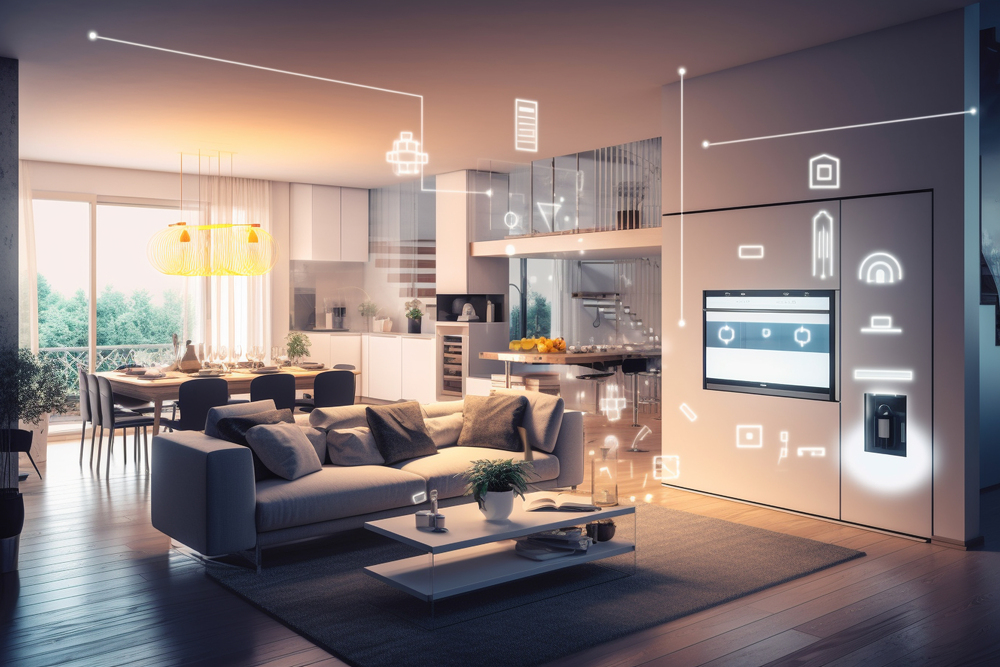
Technology has changed the way we live, and homes are no exception. Today, a smart home is no longer a luxury; it’s becoming a practical choice for Indian households. A smart home allows you to control appliances, lighting, security, and entertainment systems with ease, often from a smartphone or voice commands. With rising electricity costs, increasing safety concerns, and busy lifestyles, integrating smart home devices can make daily living more convenient, energy-efficient, and secure.
This guide explores what a smart home is, its benefits, key components, and the devices you can use to make your home smarter in 2025.
What is a Smart Home?
A smart home is a residence equipped with interconnected technology that lets you automate and remotely control various household systems. This can include lighting, fans, security cameras, air conditioners, and entertainment systems.
The goal of a smart home is to provide comfort, efficiency, and safety. For example, you can schedule lights to turn off automatically, monitor security cameras from your phone, or even control your air conditioner while commuting.
Smart homes use devices connected to the internet, often managed via a smartphone app, voice assistant, or central hub. By integrating your devices, you create a system that responds intelligently to your lifestyle, making your home both efficient and user-friendly.
Benefits of a Smart Home
Investing in a smart home offers several advantages, especially in modern Indian living:
Convenience and Comfort
Smart homes allow you to control multiple appliances from one place. You can adjust lighting, switch on fans, or operate your TV remotely. Even small items, like an extension board with smart sockets, can make it easier to manage devices without manual effort.
Energy Efficiency
Smart devices can help reduce electricity bills. Automated lighting, fans, and air conditioners ensure appliances are used only when needed. Scheduling or motion sensors can prevent energy wastage, making your home eco-friendly and economical.
Enhanced Security
Smart locks, surveillance cameras, and motion detectors give you peace of mind. You can monitor your home in real-time, receive alerts for unusual activity, and even grant temporary access to guests, all from your smartphone.
Time-Saving Automation
Automation routines, like having your coffee maker start in the morning or lights dim in the evening, simplify daily chores. This efficiency is particularly helpful for working professionals, parents, or anyone with a busy schedule.
Improved Home Value
Smart homes are increasingly attractive to buyers. Integrating smart home devices can make your property more modern and appealing in the real estate market.
Components of a Smart Home
To build a smart home, certain essential components are required:
Smart Hub or Controller
The hub acts as the brain of your home, connecting all devices and enabling communication between them.
Smart Lighting
LED bulbs, warm LED light bulbs, or colour-changing lights can be controlled remotely or automated with schedules and sensors.
Smart Plugs and Extension Boards
Even simple appliances can become “smart” with the help of smart plugs or extension boards.
Smart Security Devices
Smart locks, cameras, and motion sensors help monitor your home, providing alerts and remote access.
Voice Assistants
Voice assistants help manage your home hands-free.
Network and Connectivity
A strong Wi-Fi network ensures all devices communicate seamlessly. Stable internet is the backbone of a smart home, allowing real-time updates and control.
Devices That Make a Home Smart
There’s a wide range of smart home devices available in 2025, each serving a specific purpose:
Smart Lighting Systems
LED bulbs, LED candlelight bulbs, and smart tubes allow remote control, dimming, and colour adjustment.
Smart Fans and Air Conditioners
Speed, temperature, and modes can be controlled via apps or voice commands.
Smart Kitchen Appliances
Microwave ovens, coffee makers, and water purifiers can now be connected to apps for timed operation, ensuring convenience during busy mornings.
Smart Security Systems
CCTV cameras, smart locks, and door/window sensors offer real-time monitoring and alerts.
Smart Entertainment
Smart TVs, speakers, and sound systems integrate into your home network, allowing you to stream, schedule, and control content from one device.
Smart Home Energy Management
Smart meters, plugs, and extension boards provide insights into power usage, helping households track consumption patterns and save on electricity bills.
Smart Sensors
Sensors for temperature, humidity, or motion enhance automation. For example, lights can turn on automatically when someone enters a room, or fans can adjust speed according to temperature.
Transforming Your Home for the Future
Making your home smart in 2025 doesn’t require a complete overhaul. Start by identifying the areas where convenience, efficiency, and safety matter most. Incorporate a mix of lighting, security, and automation devices to build a connected ecosystem gradually.
Small additions, like a smart extension board, can make daily chores easier and prevent electricity wastage. Meanwhile, advanced smart home devices ensure you stay connected, in control, and secure, even when you’re away from home.