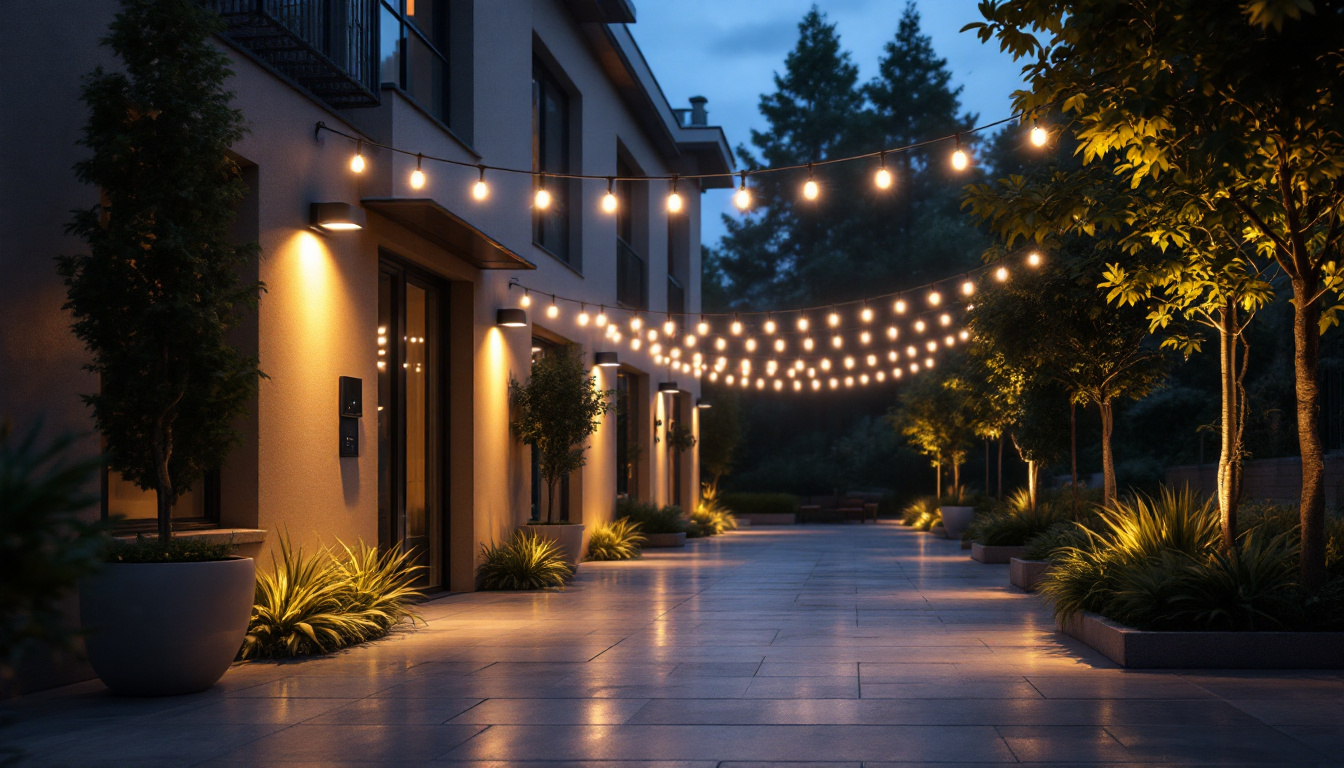
The exterior of a home serves as the first impression for guests and a vital shield for the inhabitants within. While many homeowners focus their design efforts on interior decor or landscaping, the integration of a professional lighting scheme is often the transformative element that bridges the gap between a standard property and a luxury estate. Strategic exterior illumination does more than just banish the darkness; it serves as a sophisticated layering of security, safety, and aesthetic brilliance. By understanding the principles of outdoor lighting design, one can create a nightscape that highlights architectural nuances while providing peace of mind.
The Strategic Importance of Exterior Lighting
A well-lit home is a deterrent to unwanted activity, but the modern approach to security lighting has shifted away from the harsh, blinding glares of the past. Traditionally, security was synonymous with high-intensity floodlights that washed out textures and created deep, pitch-black shadows where an intruder could easily hide. Today, sophistication and safety go hand in hand.
Architectural lighting experts argue that a balanced distribution of light is more effective for security than a single, ultra-bright source. When light is evenly distributed across a property, the human eye can adjust more easily to the environment, eliminating the “blind spots” created by high-contrast lighting. This transition from basic utility to curated design is what defines contemporary exterior illumination.
The Three Layers of Outdoor Lighting Design
Just as interior designers use layering to create depth in a living room, exterior lighting relies on three primary layers: ambient, task, and accent lighting. Mastering these layers is the secret to a professional-looking results.
Ambient Lighting for General Visibility
Ambient lighting provides the base level of illumination for the entire outdoor area. Its primary purpose is to ensure that people can move around the property safely without tripping over obstacles. In a modern exterior, this might include soft washes of light over a driveway or broad-beam lights that illuminate a backyard lawn. The goal is to mimic the soft glow of moonlight, providing enough visibility for navigation without overwhelming the natural nighttime environment.
Task Lighting for Functional Areas
Task lighting is highly specific and functional. It is installed in areas where activity takes place, such as outdoor kitchens, grill stations, and entryways. For a front door, task lighting ensures that residents can find their keys and see who is approaching. Along a garden path, task lighting prevents accidents by clearly marking changes in elevation or direction.
Accent Lighting for Dramatic Flair
Accent lighting is purely aesthetic. It is used to draw the eye to specific features that might otherwise be lost in the dark. This includes uplighting a majestic oak tree, silhouetting a unique garden sculpture, or “grazing” a stone veneer wall to emphasize its rugged texture. This layer provides the “sophistication” in exterior illumination, turning a functional safety measure into a work of art.
Enhancing Security Without Sacrificing Style
Modern security lighting utilizes technology to remain unobtrusive until it is needed. The goal is to maintain a warm, welcoming atmosphere while having the capability to respond to movement.
-
Motion Sensors with Intelligence: Older motion sensors were notorious for being triggered by a passing cat or a swaying branch. Modern smart sensors can be calibrated to ignore small animals and environmental movement, activating only when a human-sized heat signature is detected.
-
Integrated Smart Systems: Many homeowners now integrate their exterior lights with smart home hubs. This allows for “away modes” where lights turn on and off in a randomized pattern to simulate occupancy, or “emergency modes” where all exterior lights flash if an alarm is triggered.
-
Low-Voltage Efficiency: Moving from high-voltage to low-voltage LED systems allows for more fixtures to be placed around the perimeter of the home without a significant spike in energy costs. These smaller fixtures are easier to hide in the landscaping, maintaining a clean look during the day.
Techniques for Architectural Highlighting
To achieve a sophisticated look, homeowners should employ specific lighting techniques that professional designers use to create depth and drama.
Uplighting and Downlighting
Uplighting involves placing a fixture at the base of an object and directing the beam upward. This is highly effective for trees or columns. Conversely, downlighting—often called moonlighting—involves placing fixtures high up in trees or under the eaves of a roof. This creates a natural, diffused light that filters through branches, casting soft shadows on the ground below.
Path Lighting and Perimeter Marking
Path lights should be used sparingly. A common mistake is the “runway effect,” where lights are placed in a perfectly straight line on both sides of a walkway. For a more sophisticated appearance, stagger the lights on alternating sides of the path and nestle them into the foliage. This guides the traveler through the landscape rather than simply outlining a concrete slab.
Wall Grazing and Washing
Wall grazing involves placing a light source very close to a vertical surface to highlight its texture. This is ideal for brick or stone walls. Wall washing involves placing the light further back to create a uniform glow over a large area, which is perfect for making a home look wider and more imposing at night.
Material Selection and Durability
The exterior environment is harsh, characterized by rain, snow, extreme heat, and UV exposure. Selecting the right materials for lighting fixtures is a critical part of ensuring long-term safety and performance.
-
Brass and Copper: These materials are the gold standard for outdoor lighting. They are durable, do not rust, and develop a beautiful patina over time that blends into the natural landscape.
-
Aluminum with Powder Coating: A more budget-friendly option, high-quality aluminum can last for many years if it features a marine-grade powder coating to prevent oxidation.
-
IP Ratings: When purchasing fixtures, always check the Ingress Protection (IP) rating. For most landscape applications, an IP65 rating is sufficient to protect against dust and water jets, ensuring the internal electronics remain dry and functional.
The Shift to Warm Color Temperatures
One of the biggest contributors to a “cheap” or “commercial” feel in exterior lighting is the use of cool blue light. Professional residential designers almost exclusively use warm light, typically measured between 2700K and 3000K on the Kelvin scale. This warm glow enhances the natural colors of wood, stone, and plant life, making the home feel inviting rather than clinical. Cool white light (4000K and above) should be reserved for high-security industrial areas or specific modern architectural styles that use a lot of steel and glass.
Dark Sky Compliance and Environmental Impact
As we illuminate our homes, it is important to be mindful of light pollution. Dark Sky Compliance refers to lighting designs that minimize “sky glow” and light trespass onto neighboring properties. To achieve this, use fixtures that are “full cutoff,” meaning they are shielded on top so that no light is directed upward into the atmosphere. This not only preserves the visibility of the stars but also reduces the negative impact on local nocturnal wildlife.
Frequently Asked Questions
How do I determine how many lumens I need for my outdoor space?
Lumen requirements vary based on the goal. For decorative path lighting, 100 to 200 lumens per fixture is usually sufficient. For accenting a large tree or a two-story wall, you may need 300 to 700 lumens. Security floodlights can range from 1000 to 3000 lumens, but they should be used strategically to avoid blinding neighbors.
What is the benefit of using a transformer for exterior lighting?
Most professional landscape lighting uses a low-voltage (12V) system rather than standard household voltage (120V). A transformer steps down the power, making the system much safer to install and maintain. It also allows for thinner wires that can be buried just a few inches underground without the need for heavy-duty conduit.
How often should I inspect my exterior lighting system?
A thorough inspection should be conducted twice a year, typically in the spring and fall. Look for fixtures that may have been knocked out of alignment by lawn equipment, check for overgrown foliage that might be blocking the light, and ensure that all connections remain watertight.
Can I mix different types of bulbs in the same outdoor circuit?
While it is technically possible, it is not recommended. Different bulbs, such as halogen and LED, have different power draws and color temperatures. Mixing them will result in an inconsistent look and could potentially overload the transformer or lead to premature bulb failure. It is best to stick with a unified LED system.
How can I light a very long driveway without making it look like a highway?
Instead of lining the entire driveway with path lights, focus on lighting key transition points. Place lights at the entrance, near any curves, and at the final destination. Supplement this with “moonlighting” from nearby trees to provide a soft, general glow over the pavement rather than a series of bright spots.
Are solar-powered lights a viable option for a high-end exterior design?
Generally, solar lights are less reliable than hardwired systems. They often lack the brightness needed for effective task or accent lighting and their performance depends entirely on daily sun exposure. For a sophisticated, permanent solution, hardwired low-voltage LED systems are superior in both longevity and light quality.
Does exterior lighting actually increase the appraised value of a home?
While it may not always have a specific dollar-for-dollar line item on an appraisal, it significantly impacts “curb appeal” and perceived value. A well-lit home creates a powerful emotional response in potential buyers and demonstrates that the property has been meticulously maintained, often leading to faster sales and higher offers.