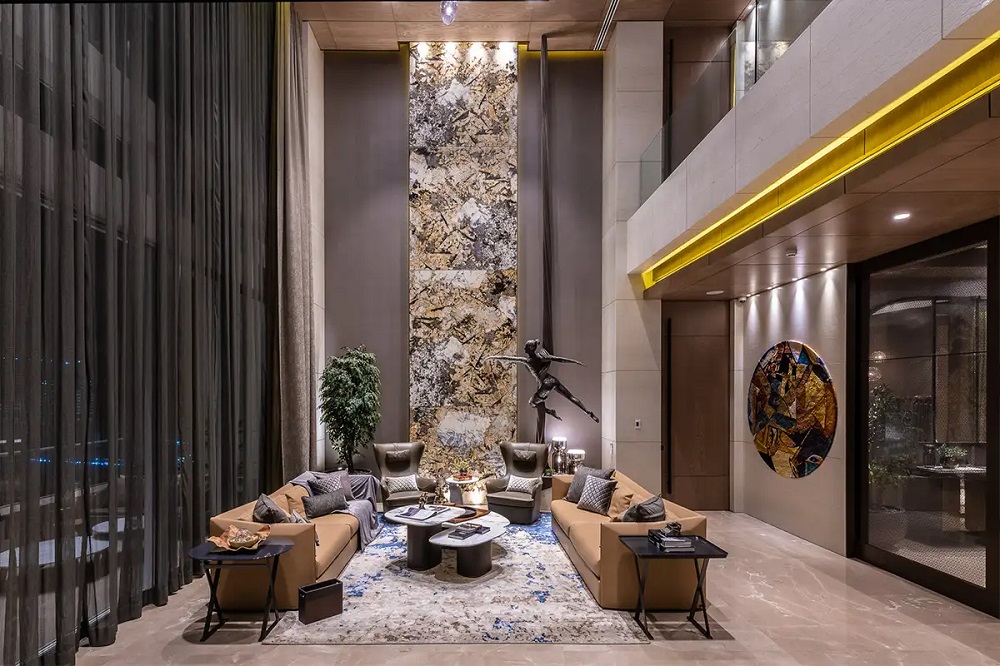
The concept of the home has undergone a radical transformation in recent years. No longer just a place for rest, the modern residence has become a sanctuary, an office, a gym, and a center for social gathering. This multifaceted role has given rise to a new era of interior design where functionality and aesthetics are inextricably linked. As we move through 2026, the trends shaping our living environments reflect a collective desire for emotional grounding, environmental responsibility, and the seamless integration of technology. From the resurgence of organic textures to the rise of invisible smart homes, the following principles represent the cutting edge of contemporary interior design.
The Rise of Warm Minimalism and Soft Luxury
For nearly a decade, stark minimalism dominated the design landscape. Characterized by sharp lines, cold white walls, and a “less is more” philosophy that often felt sterile, this style is being replaced by a more human-centric approach known as warm minimalism or soft luxury.
This trend maintains the clutter-free foundations of traditional minimalism but introduces warmth through texture and a richer color palette. Instead of cool grays and clinical whites, modern homes are embracing creamy off-whites, sandy beiges, and soft taupes. The goal is to create a space that feels open and airy but remains deeply cozy and welcoming. Furniture in these spaces often features rounded edges and plush fabrics like bouclé or velvet, which break up the rigid geometry of modern architecture.
Biophilic Design 2.0: Beyond the Potted Plant
Biophilic design—the practice of connecting occupants to nature—has evolved from a niche concept into a fundamental design requirement. In 2026, this goes far beyond simply placing a few succulents on a windowsill. Modern biophilic integration focuses on holistic wellness and the psychological benefits of the natural world.
-
Living Walls and Vertical Gardens: Interior walls are being transformed into biological filters that improve air quality and provide a stunning visual connection to greenery.
-
Maximized Natural Light: Architectural shifts are prioritizing floor-to-ceiling windows and skylights to ensure that the circadian rhythms of the inhabitants remain in sync with the sun.
-
Natural Ventilation: Designers are returning to traditional methods of cross-ventilation, reducing the reliance on artificial cooling while bringing in fresh, outdoor air.
-
Internal Water Features: The use of small, recirculating water walls or fountains adds a sensory layer of sound that promotes relaxation and focus.
Modern Heritage and the Return of Craftsmanship
As a counter-movement to the mass-produced, “fast-furniture” culture, there is a significant shift toward modern heritage. This trend celebrates the blend of classic architectural details with contemporary sensibilities. Homeowners are increasingly seeking out pieces that have a story—whether they are family heirlooms, antique finds, or bespoke items created by local artisans.
Modern heritage is characterized by the use of traditional materials like unlacquered brass, hand-carved wood, and natural stone. It embraces the “perfectly imperfect” nature of handmade objects. This style often manifests in the kitchen through inset cabinetry and farmhouse sinks paired with high-tech, integrated appliances. It is a design language that values longevity over temporary trends, encouraging an investment in quality pieces that age beautifully over time.
Smart Homes and Invisible Technology
In the modern home, technology is becoming more powerful yet less visible. The era of bulky gadgets and tangled wires is over. The current trend focuses on “invisible intelligence,” where smart features are integrated directly into the fabric of the building.
Voice-controlled lighting, automated climate systems, and smart glass that can turn opaque at the touch of a button are becoming standard. Technology is now used to enhance the ambiance rather than detract from it. For example, hidden speakers embedded in drywall or televisions that disguise themselves as framed art when not in use allow a room to maintain its aesthetic integrity. This integration also extends to wellness, with smart mirrors that track health metrics and air purification systems that adjust automatically based on real-time sensor data.
Sustainability as a Core Design Pillar
Environmental responsibility is no longer an optional add-on; it is the foundation of modern design. This shift is driven by both a moral imperative and an appreciation for the unique aesthetics of sustainable materials.
-
Regenerative Materials: Designers are looking toward materials like cork, bamboo, and recycled glass. Innovative “living” materials, such as algae-based panels or mushroom mycelium insulation, are also beginning to enter the luxury market.
-
Circular Economy: There is a growing emphasis on furniture that is designed to be repaired, reused, or eventually composted. This reduces the lifecycle carbon footprint of the home.
-
Adaptive Energy Systems: Modern interiors are designed to be energy-efficient from the start. This includes high-performance insulation, low-E windows, and energy-monitoring dashboards that help residents minimize waste.
The Multi-Functional Floor Plan
The rigid divisions of the past—separate dining rooms, living rooms, and dens—have largely dissolved in favor of open, flexible layouts. However, the rise of remote work has introduced a new challenge: the need for privacy within an open space.
The modern response is the “broken-plan” layout. This uses semi-permanent dividers like open shelving units, glass partitions, or changes in floor levels to define different zones without sacrificing the feeling of openness. Furniture is also becoming more adaptive; a dining table might feature integrated power outlets for use as a workspace, or a guest room might utilize a sophisticated murphy bed that folds away to reveal a home gym or yoga studio.
Textures and Earthy Palettes
As we seek more grounding environments, color palettes are shifting toward the “earthy and organic.” Deep terracottas, clay browns, sage greens, and muted ochres are replacing the monochromatic looks of the early 2020s. These colors are often applied through textured finishes such as lime wash, plaster, or clay-based paints, which add a tactile dimension to the walls.
Texture is also a key player in furniture and textiles. Mixing materials—such as a smooth marble coffee table paired with a heavy jute rug and a rough-hewn wooden bench—creates a layered look that feels rich and curated. This emphasis on touch and sensory experience is a direct response to our increasingly digital lives, providing a physical connection to our immediate surroundings.
FAQ
What is the best way to start incorporating these trends on a budget?
You do not need a full renovation to modernize your home. Start by updating your color palette with warm, earthy neutrals through paint or textiles like throw pillows and rugs. Incorporating indoor plants is an affordable way to embrace biophilic design, and swapping out generic hardware for brass or matte black pieces can provide a touch of modern heritage.
How does warm minimalism differ from traditional Scandinavian design?
While both value simplicity and functionality, warm minimalism often leans into a richer, more diverse palette of earth tones and heavier textures. Scandinavian design typically features lighter woods and cooler grays. Warm minimalism also places a heavier emphasis on “soft luxury” and high-end materials like marble and travertine.
Is open-concept living finally going out of style?
Not exactly, but it is evolving. Pure open-concept layouts can be noisy and offer little privacy. The current trend is “broken-plan” living, which keeps the visual openness but uses subtle architectural cues or furniture placement to create dedicated zones for work, relaxation, and dining.
Why are curved furniture shapes becoming so popular?
Curves are naturally more soothing to the human eye than sharp angles. In a world full of digital screens and rigid urban structures, curved sofas, arched doorways, and circular tables provide a sense of flow and organic comfort. Psychologically, these shapes feel more inclusive and conducive to conversation.
Can I integrate smart technology into a home with a traditional or vintage aesthetic?
Yes, this is one of the hallmarks of modern design. The goal of “invisible technology” is to have the benefits of a smart home without the futuristic look. Use smart bulbs in vintage lamps, hide speakers behind acoustic art panels, and choose smart thermostats with minimalist designs that blend into the wall.
What are some examples of regenerative materials I can use today?
Cork flooring is an excellent regenerative choice as the bark is harvested without killing the tree. Bamboo is a rapidly renewable resource used for everything from flooring to cabinetry. Recycled plastic textiles and reclaimed wood from old structures are also widely available and add unique character to a modern home.
How do I balance multiple wood tones in one room without it looking messy?
The key is to identify the “undertone” of your woods. You can mix light oak with dark walnut as long as they both share a similar warm or cool undertone. Aim for a dominant wood tone for large surfaces like floors or cabinets, and then use different tones for smaller furniture pieces to create a sense of depth and curated history.