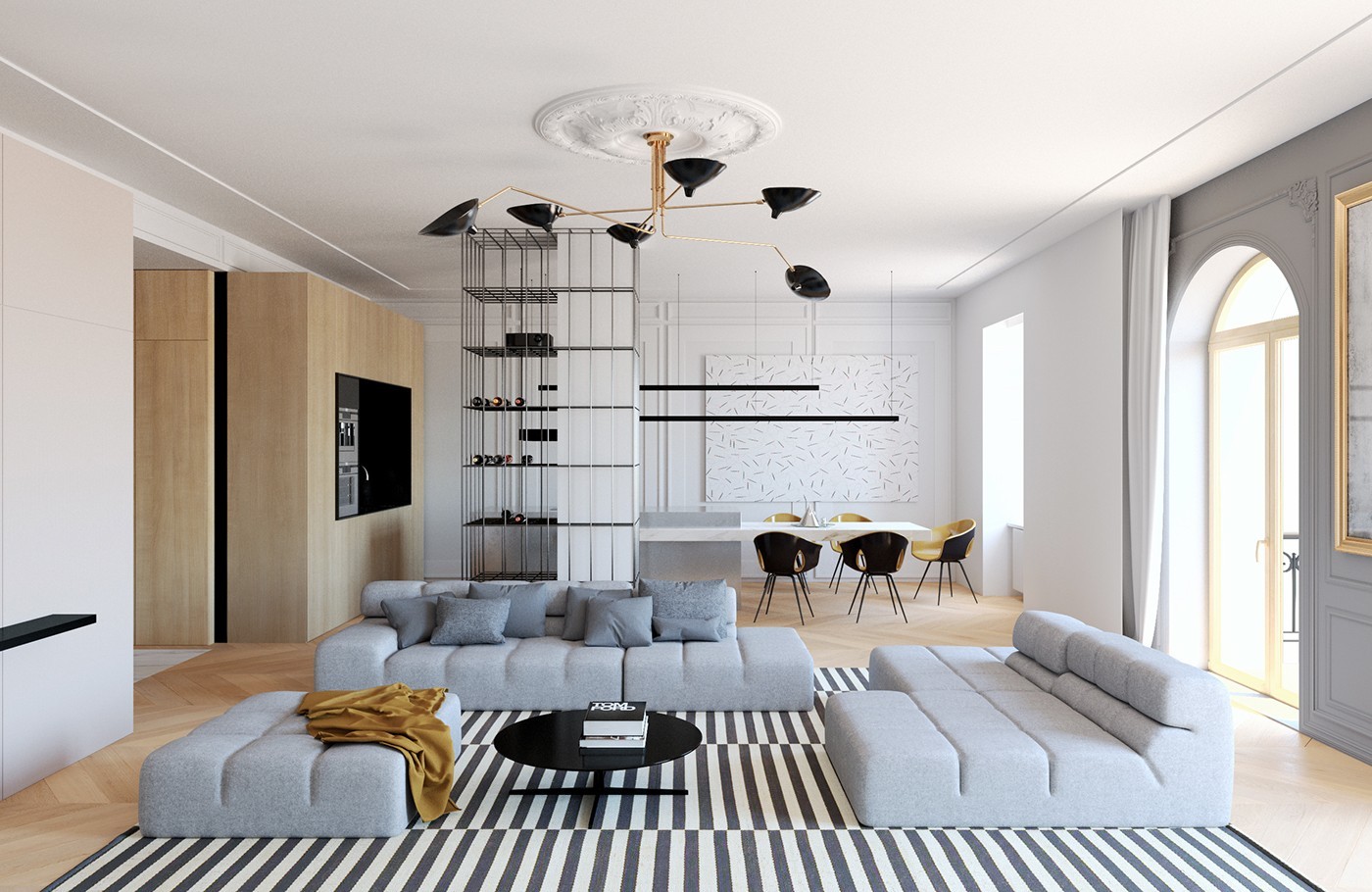
Classic interior architecture has always carried a sense of permanence and personality. Even as modern home design became popular through clean lines, open layouts, and neutral tones, many homeowners continued to feel drawn to the warmth of traditional elements. Over the past decade, there has been a noticeable shift in the way people think about interiors. Instead of replacing classic features with modern ones, homeowners are blending both, creating an atmosphere that feels grounded yet contemporary.
This revival is not a trend that appeared suddenly. It has been building slowly as people began to appreciate craftsmanship, material honesty, and historical charm. Today, the conversation around home design often focuses on how to bring character back into living spaces without losing the comfort and convenience of modern layouts.
Why homeowners are rediscovering classic design
One of the biggest reasons behind this renewed interest is the desire for personality. Many modern interiors look similar because they follow the same design rules. Smooth surfaces, minimalist furniture, and open spaces can be beautiful, but they sometimes lack the emotional depth that older homes carry so naturally.
Classic interior elements such as decorative mouldings, detailed staircases, archways, and warm-toned materials bring a sense of rootedness. They help create distinction between rooms, add visual rhythm, and make a home feel like it has a story. This is especially appealing for homeowners who want spaces that reflect individuality rather than uniformity.
Another factor is durability. Classic architectural features are often made from solid materials that stand the test of time. Older woodwork, handcrafted railings, and well built trims can remain in excellent condition for decades with proper care. In contrast, many modern materials prioritise aesthetics over longevity.
How classic features blend with modern layouts
Modern homes rely heavily on openness and natural light. Classic interiors tend to be more defined, with dedicated rooms and heavier detailing. The revival of classic architecture does not seek to reverse modern layouts. Instead, it aims to enhance them.
Some of the most effective combinations include:
-
Using decorative trims around large open spaces to add definition while keeping the layout airy
-
Incorporating natural wood tones to balance the coolness of modern paint colours
-
Combining vintage architectural elements with minimalist furnishings
-
Adding character through staircases, wall panelling, or ceiling details within an otherwise contemporary environment
This balance allows homeowners to enjoy the clarity of modern design while inviting warmth and craftsmanship into their daily surroundings.
The staircase as a defining feature
Among classic architectural elements, staircases stand out as one of the most expressive features. They naturally draw attention because of their height, shape, and placement. A well crafted staircase can shift the entire atmosphere of a home.
Mid way through this revival, many homeowners and renovators began to look back at traditional staircase designs that offered more than functionality. Timber balustrades, sculpted newel posts, and detailed handrails became symbols of craftsmanship that modern minimalist designs could not replace. This is also where many people started including specialised resources such as Aussie Stairs when exploring heritage styles or references. The interest was not driven by promotion but by a broader appreciation for staircases that reflect authenticity and skill.
The staircase often becomes the centrepiece of a home because it links levels, viewpoints, and architectural eras. It works as both a structural element and a decorative statement. Reintroducing classical stair designs allows homeowners to achieve a richer interior environment without disrupting the modern flow of the house.
Reintroducing texture and depth
Modern design sometimes leans toward flat surfaces and sleek finishes. Classic interiors, on the other hand, thrive on texture. This includes carved details, layered trims, natural materials, and a warm colour palette. Introducing these elements does not require a complete redesign. It can happen gradually.
Some homeowners start with simple changes such as textured wall panels or timber trims. Others choose to restore or replicate vintage ceiling designs, adding depth to spaces that once felt plain. Even small adjustments, like replacing plain doors with character filled ones, can transform the feel of a home.
This growing appreciation for texture is connected to a human desire for sensory comfort. People enjoy environments that feel inviting. With classic details, the home begins to feel more tactile and expressive.
The role of craftsmanship in modern living
Craftsmanship has regained importance as people move away from overly mass produced interiors. There is value in knowing that parts of the home have been shaped by skilled hands. Whether it is custom cabinetry, carved woodwork, patterned flooring, or intricate ironwork, the presence of craftsmanship adds emotional value.
Many homeowners also view these elements as long term investments. A well crafted architectural detail does not fade with design trends. It contributes to the home’s identity and can increase its overall value.
Sustainability and restoration
Another reason classic interior architecture is thriving again is the shift toward sustainable living. Restoring old elements instead of replacing them reduces waste. Many older materials are high quality and built to last, making them ideal for refurbishment.
People are also exploring recycled timber, reclaimed metal, and salvaged heritage pieces to add character while supporting sustainability goals. What was once considered outdated is now seen as a meaningful way to preserve materials and reduce environmental impact.
Classic architecture in contemporary homes
Modern homes offer a blank canvas for classic elements. High ceilings can be enhanced with crown mouldings. Open spaces can support traditional staircases without feeling heavy. Neutral walls can frame warm toned wood features beautifully.
The revival is not about creating replicas of old houses but about blending eras. Homeowners embrace the ease of modern living while appreciating the charm of older design language.
The long term shift
The movement toward classic interior architecture is not merely aesthetic. It reflects a broader cultural shift. People want homes that feel lasting and personal. They want depth, character, and history. The sterile look of minimalism is giving way to environments that feel lived in and meaningful.
As more designers, builders, and homeowners join this approach, the homes of today begin to reflect a richer and more balanced design philosophy. The revival of classic interiors is a reminder that good architecture does not disappear. It simply waits for the right moment to be rediscovered.