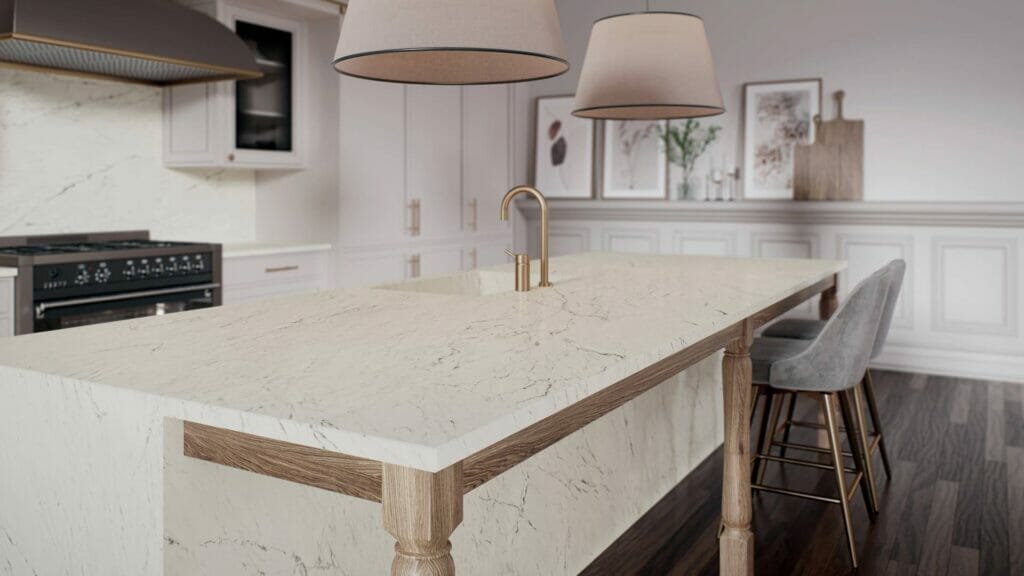
Homeowners today are paying closer attention to the surfaces they use every day, especially in kitchens and bathrooms. Countertops have become more than just functional slabs—they are design focal points, performance elements, and key drivers of resale value. As one of the newer contenders in the premium countertop category, porcelain is gaining popularity thanks to its durability, appearance, and low maintenance. But before making the leap, it’s important to understand how much this option may cost. A porcelain countertops cost guide can help clarify where your money goes and what factors influence the overall price tag.
Porcelain offers a unique combination of aesthetic beauty and high resistance to wear. Because it’s manufactured using natural clays fired at extremely high temperatures, the result is a dense, durable surface that resists scratching, heat, UV rays, and staining. These qualities make it suitable for nearly every room in the house, though it’s especially popular in kitchens and bathrooms. The cost of porcelain countertops reflects not just the material itself but also the craftsmanship, installation complexity, and any customizations involved.
Understanding What Influences the Price of Porcelain Countertops
One of the first things to consider in any porcelain countertops cost guide is the size and scope of the installation. Like other slab materials, porcelain is priced by the square foot, and total cost depends heavily on how much surface area is needed. Larger kitchens, multi-level islands, and integrated backsplashes will all increase the required square footage and, in turn, raise overall costs.
The thickness of the slab plays a role as well. Porcelain countertops are available in various thicknesses, with thinner slabs typically being less expensive. However, thinner options may require additional support or edge reinforcement to maintain structural stability. Thicker slabs offer a more substantial appearance and greater durability but come with a higher price due to the additional material used and the added difficulty of handling and fabrication.
Design and customization are also key factors. Porcelain is available in a wide range of finishes, colors, and patterns—including highly realistic stone and marble looks. Some designs require more complex manufacturing processes or are part of exclusive product lines, both of which can increase the cost per square foot. Additionally, custom edges, integrated sinks, and specialty cutouts all add to the final price because they require more labor and precision during fabrication.
Installation is another major component of the total cost. Working with porcelain requires specialized tools and skills, especially because it can chip or crack if handled improperly during cutting. Labor rates will vary depending on your location, the expertise of the installer, and the scope of the project. In many cases, the complexity of the installation—such as wall-mounted applications, unique shapes, or intricate seams—will significantly influence labor costs.
Comparing Porcelain to Other Countertop Materials in Terms of Cost
Any porcelain countertops cost guide should also help you place its pricing in context with other popular surfaces. Porcelain generally falls into the mid-to-high range in terms of price, depending on the brand, design, and level of customization. While it may be more expensive than laminate or some entry-level granite options, it tends to be more affordable than top-tier natural stone, quartzite, or solid-surface composites.
What makes porcelain particularly attractive is the long-term value it offers. Unlike materials that require sealing, refinishing, or frequent maintenance, porcelain remains largely maintenance-free throughout its life. Its resistance to stains and bacteria means it performs well even under heavy use, and its colorfast surface won’t fade when exposed to sunlight. These qualities can result in fewer repair or replacement costs over time, which should be considered part of its overall value proposition.
When comparing porcelain to quartz, which is another popular choice for modern kitchens, the pricing is often comparable. However, porcelain’s ability to withstand heat and UV exposure gives it a functional advantage in certain situations, particularly for outdoor kitchens or spaces with large windows. That added performance may justify a slightly higher cost depending on how and where the countertops will be used.
For those drawn to the look of marble but hesitant about its high maintenance and higher price point, porcelain offers a compelling alternative. Many manufacturers produce porcelain slabs that mimic the veining and tone of classic marble without the porosity and upkeep. This makes porcelain a smart investment for anyone seeking elegance and function in the same package.
Factors That Affect Cost Beyond the Slab Itself
While the cost of the porcelain slab is a major component, there are several peripheral expenses that can affect the total price. Fabrication, which includes cutting, shaping, polishing, and finishing the slab, is often billed separately and can represent a significant portion of the total project cost. Intricate edge profiles, sink and cooktop cutouts, and seamless waterfall designs all increase fabrication time and require skilled labor.
Transportation and delivery costs should also be considered, especially for large-format slabs that require special handling equipment. Because porcelain is often imported and handled by specialty distributors, lead times and delivery logistics can add to the overall price—particularly in areas where the material isn’t stocked locally.
Installation accessories such as adhesives, sealants, and structural supports can influence cost too. While porcelain does not typically require sealing, the adhesives used for mounting and the reinforcements needed for certain applications may not be included in standard quotes. Be sure to confirm what is covered when discussing pricing with fabricators or installers.
Another factor that affects the cost is the brand or supplier. Some porcelain countertop brands position themselves as premium offerings, with exclusive patterns, textures, or finishes. These often carry a higher per-square-foot cost but may offer additional value in terms of warranty coverage or proprietary technology, such as scratch-resistant coatings or antimicrobial surfaces.
Long-Term Value and Investment Considerations
A comprehensive porcelain countertops cost guide should not only help you budget accurately but also highlight the value this material provides over time. While the initial investment may be higher than some other options, the longevity and performance of porcelain can make it a cost-effective choice in the long run. Its resistance to chipping, cracking, and staining means that it remains looking new with minimal care.
Porcelain’s low-maintenance nature reduces the need for regular sealing, sanding, or polishing, which not only saves money but also time. This makes it an ideal choice for busy households or anyone seeking a durable surface that doesn’t demand constant upkeep. In homes with resale potential, the modern aesthetic and premium reputation of porcelain can also contribute to property value, especially in kitchens and bathrooms.
The strength and durability of porcelain also make it a smart pick for environments where counters take a beating—such as high-use family kitchens, multi-generational homes, or even commercial spaces. Its ability to perform under pressure makes it more than just a decorative feature; it becomes an integral part of the home’s functionality.
When evaluating quotes, it’s helpful to consider not only the up-front numbers but the overall cost of ownership. Materials that chip, stain, or discolor over time may require replacement or ongoing care, leading to cumulative expenses. Porcelain, with its strength and resilience, minimizes these issues, offering peace of mind and a better return on your initial investment.