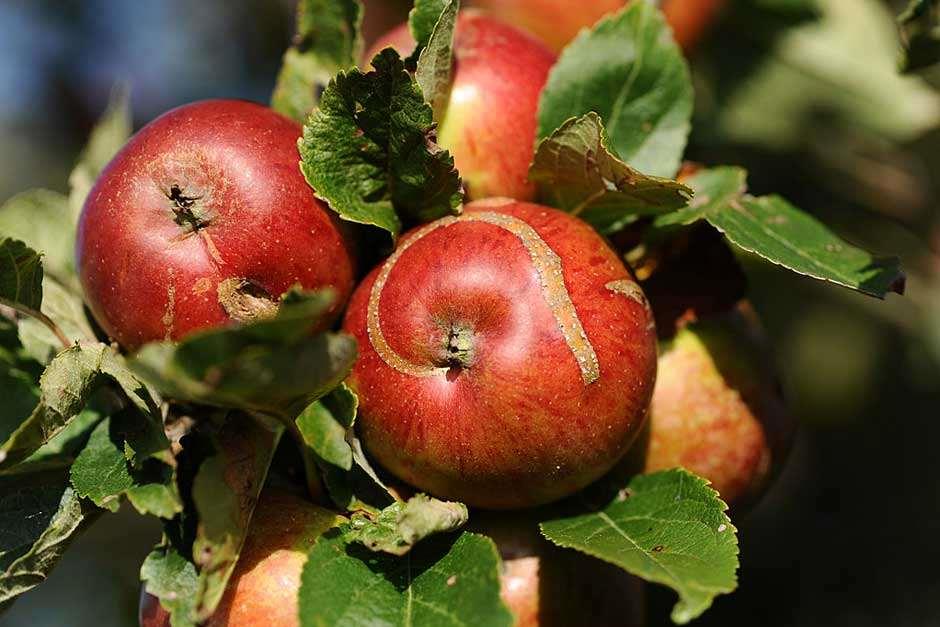
Fruit trees are offering fresh, homegrown produce and a connection to nature. However, pests such as aphids, codling moths, and fruit flies can threaten their health and yield. For gardeners seeking sustainable solutions, organic pest control methods provide effective ways to protect fruit trees without harming the environment. A nursery specialist from CRJ FruitTrees advises that selecting pest-resistant varieties is a cornerstone of organic pest management. They recommend choosing trees bred for resilience to common pests and diseases, such as those found in their extensive range of fruit trees for which you can click here, that can significantly reduce the need for interventions. This article explores seven organic strategies to combat fruit pests, ensuring healthy trees and bountiful harvests.
Companion Planting for Natural Pest Deterrence
Companion planting involves strategically placing plants near fruit trees to repel pests or attract beneficial insects. Aromatic herbs like lavender, mint, and rosemary emit scents that deter aphids and moths. For instance, planting mint around apple trees can discourage ants, which often protect aphids by farming their honeydew. Marigolds and nasturtiums serve a dual purpose by repelling pests like whiteflies while attracting pollinators such as bees. Chives and garlic, when planted near stone fruit trees like peaches, help prevent fungal diseases like apple scab, which can indirectly weaken trees and make them more susceptible to pests. This method enhances biodiversity, creating a balanced ecosystem where predatory insects like ladybirds thrive, naturally controlling pest populations. Gardeners looking to buy fruit trees should consider companion planting as part of their orchard planning, selecting species that complement their chosen varieties for optimal pest resistance.
Sticky Traps for Monitoring and Control
Sticky traps are a simple, chemical-free tool for managing flying and crawling pests. These traps use bright colours, such as yellow for aphids or red for apple maggots, to attract insects, which then become stuck on adhesive surfaces. For example, red sphere traps mimic ripe fruit, luring codling moths and cherry fruit flies to their demise. Placing traps at key heights in the tree canopy, typically where pests are most active, ensures effectiveness. Regular monitoring of traps allows gardeners to gauge pest populations and time interventions accurately. For instance, trapping five codling moths in a week during May signals the need for additional controls. This method avoids pesticides, preserving beneficial insects like hoverflies that prey on pests. Traps are widely available and can be a cost-effective solution for those who buy fruit trees and aim to maintain them organically.
Bagging Fruit for Physical Protection
Bagging individual fruits creates a physical barrier that prevents pests like codling moths and apple maggots from laying eggs in developing fruit. This technique is particularly effective for apples and pears, where pests burrow into the flesh, causing damage. Paper or mesh bags, secured around young fruit about four to six weeks after bloom, allow the fruit to grow undisturbed. The bags are removed a few weeks before harvest to let the fruit develop its natural colour. While labour-intensive, bagging is ideal for small orchards or home gardens, offering a reliable way to produce blemish-free fruit without sprays. Gardeners can source suitable bags online or from garden centres, making this a practical option for those who buy fruit trees and seek organic solutions. Regular inspection ensures bags remain intact and effective throughout the growing season.
Encouraging Beneficial Insects and Birds
Attracting natural predators is a powerful organic strategy for pest control. Beneficial insects, such as ladybirds, lacewings, and parasitic wasps, feed on common fruit tree pests like aphids and caterpillars. Planting diverse, nectar-rich flowers like yarrow, dill, and fennel around fruit trees provides habitat and food for these allies. For example, yarrow attracts hoverflies, which consume large numbers of aphids. Similarly, installing bird boxes encourages insect-eating birds like blue tits, which target caterpillars and larvae. Maintaining a garden that supports these predators reduces pest pressure naturally. Gardeners who buy fruit trees can enhance their orchard’s ecosystem by incorporating native plants and avoiding broad-spectrum pesticides that harm beneficial species. This approach fosters a self-regulating environment, minimising the need for manual interventions.
Organic Sprays for Targeted Pest Management
Organic sprays, such as neem oil and kaolin clay, offer targeted pest control without the environmental impact of synthetic pesticides. Neem oil, derived from the neem tree, disrupts pest feeding and reproduction when applied to foliage. It is effective against aphids, scale insects, and mites, and can be used on a variety of fruit trees, including those recently purchased by gardeners looking to buy fruit trees. Kaolin clay creates a protective white coating on fruit and leaves, deterring pests like fruit flies by making the tree less appealing. These sprays must be applied carefully, following manufacturer instructions to avoid harming beneficial insects. Timing is critical, with applications often needed during specific pest life cycles, such as post-bloom for codling moths. Regular use, combined with other organic methods, ensures robust pest control.
Cultural Practices to Strengthen Tree Health
Healthy trees are more resilient to pests, and cultural practices play a vital role in maintaining vigour. Pruning during the dormant season improves air circulation and sunlight penetration, reducing conditions that favour pests and fungal diseases. For example, open canopies deter aphids by making the tree less humid. Proper watering, avoiding both overwatering and drought stress, strengthens root systems, while mulching with organic materials like wood chips suppresses weeds that harbour pests. Cleaning up fallen fruit and leaves in autumn prevents pests like codling moths from overwintering. Gardeners who buy fruit trees should prioritise these practices from the outset, selecting well-adapted varieties to further enhance resilience. Regular maintenance, guided by regional advice, ensures trees remain robust against pest pressures.
Microbial Agents for Biological Control
Microbial agents introduce natural enemies of pests that are safe for humans and the environment. Bacillus thuringiensis (Bt) is a bacterium effective against caterpillars and moth larvae, including codling moth larvae, when applied during their feeding stage. Beauveria bassiana, a fungus, targets pests like aphids and whiteflies, infecting them without harming beneficial insects. These agents require precise application, often during specific weather conditions, to maximise effectiveness. For instance, Bt is most effective when sprayed 15 days after petal fall, followed by a second application five days later. Such biological controls are ideal for organic orchards, offering a sustainable alternative to chemical sprays. Gardeners can integrate these agents into their pest management plan, especially when establishing new trees after choosing to buy fruit trees from reputable nurseries.
Building a Long-Term Organic Strategy
Effective organic pest control requires a long-term, integrated approach that combines multiple strategies. Starting with pest-resistant varieties sets a strong foundation, as these trees are bred to withstand common threats like apple scab or codling moths. Companion planting and encouraging beneficial insects create a supportive ecosystem, while sticky traps and bagging provide immediate protection. Organic sprays and microbial agents offer targeted interventions when pest pressure is high. Cultural practices, such as pruning and sanitation, maintain tree health, reducing vulnerability. By monitoring pest activity through traps and regular inspections, gardeners can adjust their approach seasonally. This holistic strategy not only protects fruit trees but also enhances the garden’s ecological balance, ensuring sustainable yields for years to come.
Practical Tips for Implementation
Implementing these organic tricks requires planning and consistency. Begin by assessing your orchard’s specific pest challenges, using resources like local extension services or nursery guides to identify common threats in your region. For example, codling moths are prevalent in many British gardens, requiring targeted measures like traps or Bt sprays. Next, establish a schedule for monitoring and maintenance, noting key times for pruning, spraying, or bagging. Keep a garden journal to track pest activity and treatment outcomes, which helps refine your approach over time. Invest in quality tools, such as sharp pruning shears disinfected with alcohol to prevent disease spread. For those starting an orchard, selecting the right trees is crucial, and reputable nurseries offer guidance on varieties suited to organic management. These steps ensure your efforts are both effective and sustainable.
Environmental and Health Benefits
Organic pest control benefits both the environment and the gardener. By avoiding synthetic pesticides, you protect pollinators like bees, which are vital for fruit production. These methods also reduce chemical runoff, preserving soil and water quality. For families, organic fruit is free from harmful residues, offering peace of mind when consuming homegrown produce. Additionally, fostering biodiversity through companion planting and beneficial insects supports local wildlife, creating a vibrant garden ecosystem. These practices align with the growing demand for sustainable gardening, appealing to those who value environmental stewardship. As you maintain your orchard, these benefits compound, enhancing both your garden’s health and its contribution to a greener planet.
Challenges and Considerations
While organic pest control is rewarding, it presents challenges. Some methods, like bagging, are labour-intensive, requiring time and effort, especially in larger orchards. Organic sprays and microbial agents can be less immediately effective than chemical alternatives, necessitating patience and precise timing. Weather conditions, such as Britain’s wet springs, can exacerbate pest and disease issues, demanding proactive management. Gardeners must also tolerate minor cosmetic damage, as organic fruit may not always be blemish-free. However, with experience, these challenges become manageable. Starting with a few trees allows gardeners to test methods and build confidence before expanding their orchard.
Conclusion
Protecting fruit trees from pests organically is both achievable and rewarding. By combining companion planting, sticky traps, bagging, beneficial insects, organic sprays, cultural practices, and microbial agents, gardeners can maintain healthy trees without relying on harmful chemicals. These seven tricks, rooted in ecological principles, offer a sustainable path to bountiful harvests. For those looking to start or expand their orchard, choosing pest-resistant varieties from trusted sources is a wise first step. With careful planning and consistent effort, your fruit trees can thrive, providing delicious, chemical-free fruit for years to come.