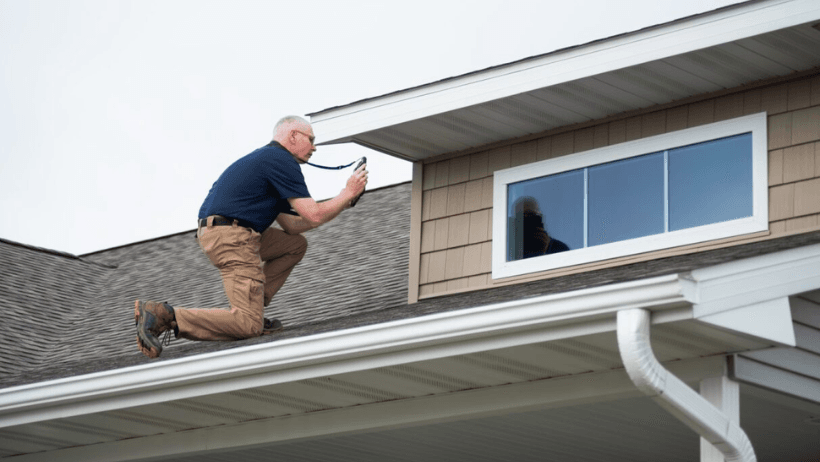
A roof is arguably the most critical structural component of a home, serving as the primary barrier against the elements. Replacing a roof is a significant financial undertaking, often costing homeowners thousands of dollars. Consequently, proactive maintenance is not merely a chore but a vital investment strategy. By implementing a consistent care routine, you can delay the need for a full replacement and ensure that your shelter remains secure for decades. Extending the life of a roof does not always require professional intervention; many of the most effective strategies involve simple observation and minor preventative actions that any homeowner can perform.
The Importance of Regular Visual Inspections
The first step in roof longevity is awareness. Most significant roofing failures begin as minor issues that go unnoticed for months or even years. Conducting a visual inspection at least twice a year—typically in the spring and fall—allows you to catch these problems in their infancy.
You do not necessarily need to climb a ladder to perform an inspection. A high-powered pair of binoculars from the ground can reveal many common issues. Look for shingles that are cracked, curling at the edges, or missing entirely. For those with asphalt shingles, check for “balding” spots where the protective granules have worn away, leaving the underlying bitumen exposed to harsh ultraviolet rays. On metal roofs, look for signs of rust or loose fasteners. Catching a single loose shingle today can prevent a major interior leak during the next heavy rainstorm.
Maintaining a Clean Gutter System
Gutters are designed to channel water away from the roof and the home’s foundation. When gutters become clogged with leaves, twigs, and sediment, water has nowhere to go. During heavy rain, this water backs up under the edge of the roofline, specifically the eaves and fascia boards.
Consistent moisture in these areas leads to wood rot and creates a breeding ground for mold. In colder climates, clogged gutters contribute significantly to the formation of ice dams. When water freezes at the edge of the roof, it creates a barrier that forces subsequent snowmelt to pool behind it. This standing water can eventually seep under the shingles and into the home’s attic. Cleaning your gutters at least twice a year ensures that water moves freely off your roof, preserving the integrity of the roof deck and the underlying structure.
Tree Limb Management and Debris Removal
While large trees provide shade and beauty, they can be a roof’s greatest enemy. Overhanging branches pose two primary risks. First, in high winds or storms, heavy limbs can snap and cause catastrophic structural damage to the roof. Second, even small branches that touch the roof can act like sandpaper. As the wind blows, the constant rubbing of a branch against shingles will strip away the protective granules, leading to premature aging and leaks.
Furthermore, trees drop leaves, needles, and seeds that accumulate in the valleys and behind chimneys. This organic debris traps moisture against the roofing material. If left long enough, this damp environment allows moss and algae to take root. Homeowners should aim to keep all tree limbs at least six to ten feet away from the roofline. Removing debris with a leaf blower or a soft-bristled broom can also prevent the slow decay caused by trapped moisture.
The Silent Threat of Moss and Algae
In many regions, particularly those with high humidity or heavy shade, moss and algae growth are common. While algae usually manifest as unsightly black streaks that diminish curb appeal, moss is a more serious structural threat. Moss acts like a sponge, holding water against the shingles and eventually lifting them up, which allows water to reach the roof deck.
To extend the life of your roof, you must address these biological growths early. There are several eco-friendly chemical washes available that can kill moss and algae without damaging the shingles. For a more permanent solution, consider installing zinc or copper strips near the roof peak. When it rains, minute amounts of these metals wash down the roof, creating an environment where moss and algae cannot survive. Never use a high-pressure power washer on an asphalt roof, as the force of the water will strip away the granules and cause irreparable damage.
Optimizing Attic Ventilation and Insulation
Longevity is not just about what happens on the surface of the roof; it is also about the environment beneath it. Proper attic ventilation is crucial for regulating the temperature of the roof. In the summer, a poorly ventilated attic can reach temperatures exceeding 150 degrees Fahrenheit. This intense heat “cooks” the shingles from the inside out, causing them to become brittle and lose their waterproofing capabilities.
In the winter, a warm attic causes snow on the roof to melt prematurely, contributing to the ice dams mentioned earlier. By ensuring that your attic has a balanced system of intake vents at the soffits and exhaust vents at the ridge, you allow cool air to flow through the space. Additionally, proper insulation prevents heat from your living space from escaping into the attic. A “cool” roof is a long-lasting roof. Check that your vents are not blocked by insulation or bird nests to maintain this essential airflow.
Professional Maintenance and Minor Repairs
While many tasks are easy for homeowners, some aspects of roof care benefit from professional expertise. Every few years, it is wise to have a roofing contractor perform a maintenance check. They can inspect the flashing—the metal pieces installed around chimneys, vents, and skylights. Flashing is a common point of failure because the sealant used to secure it can dry out and crack over time.
Re-sealing these penetrations is a low-cost repair that can add years to the life of the roof. Additionally, a professional can identify “popped” nails that are pushing up through the shingles. Addressing these small mechanical failures prevents them from becoming entry points for water. Think of this as a “tune-up” for your home’s exterior, much like an oil change for a vehicle.
FAQ
How does the color of my shingles affect the lifespan of the roof?
Darker shingles tend to absorb more heat from the sun than lighter-colored shingles. In very hot climates, this increased heat absorption can lead to a slightly faster degradation of the asphalt. However, if your attic is properly ventilated, the color of the shingles should not significantly impact the overall lifespan. Ventilation is a much more critical factor than color.
Is it safe to walk on my roof to clean it?
Generally, it is better to avoid walking on your roof unless absolutely necessary. Walking on shingles, especially on a hot day when the asphalt is soft, can cause damage or dislodge granules. If you must go up, wear soft-soled shoes and try to stay in the valleys or on the more stable parts of the structure. For most cleaning tasks, using a telescopic pole or working from a ladder is much safer for both you and the roof.
Can I install a new layer of shingles over my old ones to save money?
While many building codes allow for two layers of shingles, it is rarely a good idea for longevity. A second layer traps more heat, which can shorten the lifespan of the new shingles. Furthermore, adding a second layer prevents the installer from inspecting the roof deck for rot or damage. It also adds significant weight to your home’s structure.
How do I know if my roof has storm damage or is just old?
Storm damage, specifically from hail, usually looks like random, circular indentations where granules have been knocked away. Wind damage typically involves shingles being lifted or creased. General age-related wear is more uniform, showing consistent granule loss, widespread curling, or brittle shingles across the entire surface. If you suspect storm damage, it is best to contact your insurance company for a professional assessment.
How long should a standard asphalt shingle roof actually last?
A standard three-tab asphalt shingle roof is typically rated for 20 years, while architectural or dimensional shingles can last 30 years or more. However, these are “ideal” ratings. Without the maintenance steps described above, a 30-year roof might only last 15 to 20 years. Conversely, a well-maintained roof can often exceed its rated lifespan.
What is the best way to remove snow from a roof?
If you have a heavy accumulation of snow that threatens the structure, use a roof rake while standing safely on the ground. You do not need to remove every inch of snow; taking off the top two-thirds is usually enough to relieve the weight. Never use a shovel or a metal tool, as these can easily gouge and ruin the shingles in freezing temperatures.