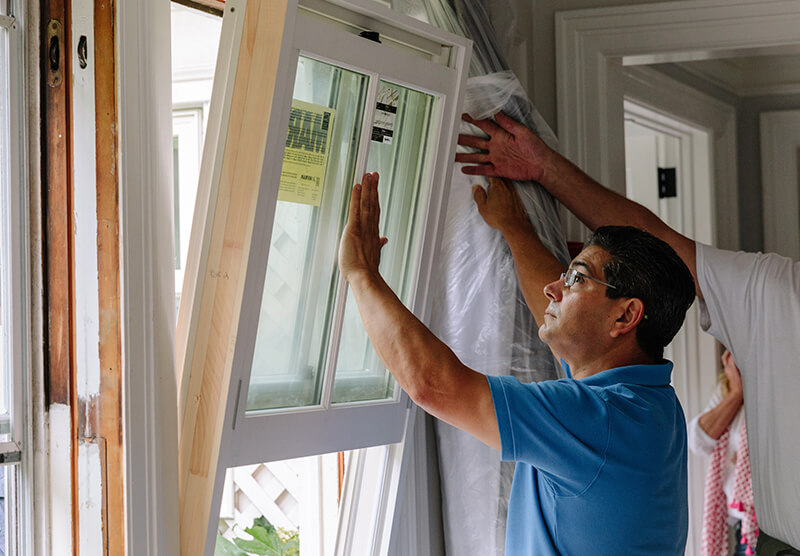
Replacing old windows is a significant home improvement that can enhance comfort, energy efficiency, and aesthetic appeal. Windows that have aged, become drafty, or suffered damage often lose their effectiveness, affecting both the look and function of a home. Understanding the process of old window replacement, the types of windows available, and the benefits of upgrading can help homeowners make informed decisions that improve their living spaces.
Why Old Window Replacement Matters
Old windows often struggle to provide adequate insulation, leading to increased energy costs as heating or cooling escapes through cracks or single-pane glass. Additionally, aging windows may have deteriorating frames, broken seals, or warped sashes that cause drafts, water leaks, or difficulty operating the window. Such problems not only reduce comfort but can also contribute to structural damage if moisture seeps into walls.
Replacing old windows can significantly improve energy efficiency, reduce noise, and increase security. Modern windows incorporate advanced materials and technologies designed to withstand weathering and improve thermal performance. This makes old window replacement a smart investment for homeowners looking to lower utility bills and increase the overall value of their property.
Choosing the Right Windows for Replacement
When planning old window replacement, selecting the right window type and material is crucial. Options range from traditional wood frames that offer classic aesthetics to low-maintenance vinyl or fiberglass alternatives. Each material has its benefits; wood frames provide natural insulation and beauty but may require more upkeep, while vinyl windows are durable, cost-effective, and resistant to rot and corrosion.
The style of the window also influences functionality and appearance. Double-hung windows, casement windows, sliders, and picture windows each serve different purposes and suit various architectural designs. Energy-efficient glass options, such as double or triple glazing, low-emissivity coatings, and gas fills, further enhance insulation.
Careful consideration of these factors ensures that the new windows complement the home’s design and meet the homeowner’s performance expectations. Professional installers can provide guidance tailored to the climate and specific needs of the property.
The Replacement Process and What to Expect
Old window replacement typically begins with an assessment of the existing windows and the condition of the surrounding frame and wall. If there is extensive damage, additional repairs to the structure may be necessary before installation. Removing the old window involves carefully extracting the sash, frame, and any trim while protecting the interior and exterior surfaces.
Installation of the new window requires precise measurements and sealing to prevent air and water infiltration. Quality installation ensures the window operates smoothly and maintains its energy-saving properties. After the window is set, finishing touches like trim, caulking, and painting complete the upgrade.
The entire process can vary depending on the number of windows being replaced and the complexity of the home’s architecture. A professional approach minimizes disruption, maintains structural integrity, and guarantees that the new windows deliver on their promises.
Benefits Beyond Energy Efficiency
While energy savings are a primary motivation for old window replacement, other advantages extend to comfort, aesthetics, and property value. New windows can enhance natural light and ventilation, creating a healthier and more enjoyable living environment. Improved security features, such as stronger locks and impact-resistant glass, offer peace of mind.
Moreover, updating windows can modernize the exterior look of a home, contributing to curb appeal and potentially increasing resale value. For historic homes, selecting replacement windows that respect the original design while incorporating modern technology allows owners to preserve character without sacrificing performance.