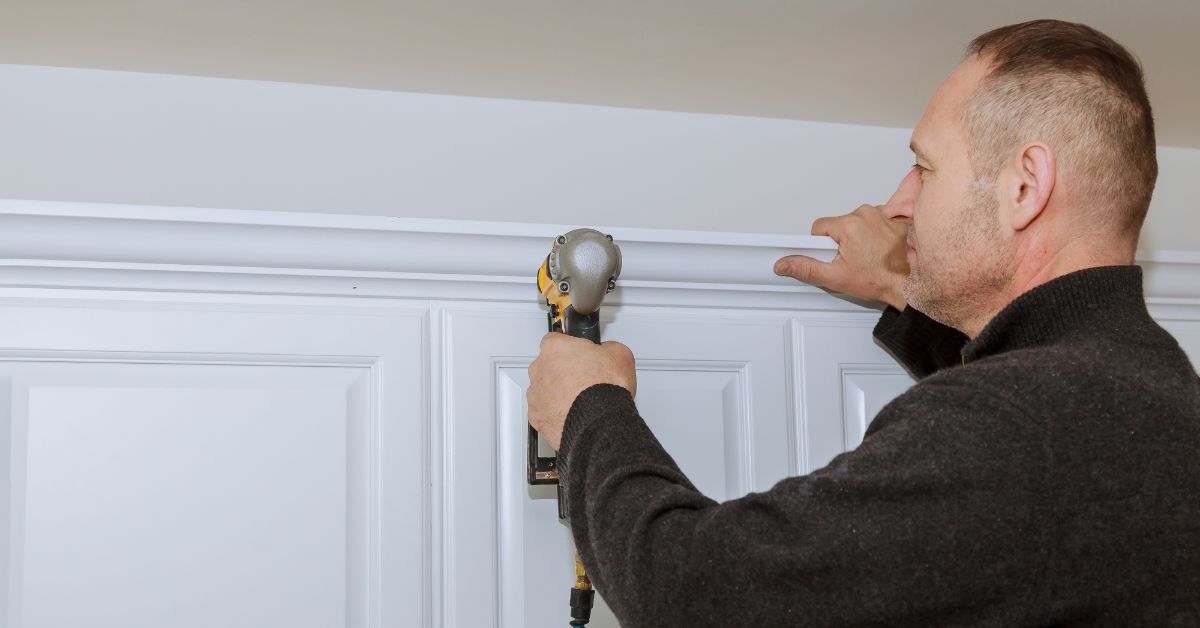
Owning a historic home in Greeley, Colorado, is like holding a living piece of history in your hands. From the ornate moldings to the intricate door frames and the sturdy but aged hardwood floors, every detail tells a story. When my spouse and I bought our 1905 Victorian-style home, I imagined afternoons spent restoring its original charm, carefully sanding and staining woodwork, and reintroducing the fine details that had faded with time.
What I quickly learned, however, is that restoring history is not like building new construction. Every beam, every trim piece, every corner has quirks. Carpentry and trim work in a historic home demand patience, skill, and respect for the craftsmanship of the past. For a first-time remodeler, this is both thrilling and intimidating.
Understanding the Challenge
Historic homes in Greeley are beautiful but often imperfect. The original builders did not have the uniformity of modern construction methods. Walls are rarely perfectly straight, corners deviate slightly from 90 degrees, and old wood has warped, cracked, or split over time. Attempting to restore or replace trim in this environment requires more than basic DIY skills, it demands problem-solving and creativity.
When I started working on the baseboards in the living room, I discovered that a simple 12-foot run was anything but simple. The original wood had expanded and contracted over the decades, leaving gaps in some places and tight squeezes in others. I tried to measure and cut precisely, but the first few pieces were laughably off. A few ended up with awkward angles, and a couple had to be re-cut entirely.
This is where trim carpentry shines. Unlike general carpentry, which focuses on structure, trim carpentry is about aesthetics, fit, and finishing touches. It’s the difference between a functional home and a home that feels polished and intentional. In a historic home, trim is more than decoration, it preserves the character that makes the house special.
Learning From the Past
Working on historic trim requires studying the original construction techniques. In our home, I noticed that the crown molding in the dining room had hand-carved details, subtle curves, and joints that modern carpentry often ignores. Attempting to replicate or restore these features taught me to slow down, take accurate measurements, and, most importantly, respect the craftsmanship of the original builders.
I began sanding and filling gaps with care, learning how to match the stain of old wood to create a seamless finish. When replacing sections of molding, I carefully selected wood with similar grain and age characteristics. I even found a local supplier in Greeley who specializes in reclaimed lumber and molding that fits the style of historic homes. This attention to detail transforms a room and ensures that new work blends seamlessly with the old.
The Importance of Precision
Trim carpentry in a historic home is unforgiving. Unlike modern homes, where walls and floors are level and square, older homes present a puzzle at every turn. Each corner and angle must be assessed individually, and no two measurements can be taken for granted. I quickly realized that measuring once was never enough. Walls shifted, ceilings bowed, and previous owners had left behind imperfect installations that needed careful correction. Even small oversights became glaring once the trim was painted or stained, making perfection feel elusive.
One of the most daunting challenges I faced was the staircase. The original balusters were uneven, and the handrail had loosened over decades of use. Simply replacing or adjusting them wasn’t enough; aligning everything required precise cuts, careful drilling, and patience that I seemed to lack in abundance. I experimented with traditional tools and even tried to incorporate modern aids like laser levels and cordless drills. Still, the task was overwhelming, and I worried that my amateur efforts might compromise the historical integrity of the home.
It was at this point that I realized the value of hiring a professional trim carpenter in Greeley. A local expert brings far more than skill, they bring experience, insight, and a deep understanding of historic construction. They can evaluate irregular angles, anticipate tricky joints, and suggest solutions that preserve the character of the home while ensuring a flawless installation. After I called, the difference was immediate. They assessed the staircase in minutes, proposed a plan, and executed it with precision I could only dream of achieving.
Working alongside the carpenter taught me invaluable lessons. I watched as they measured multiple times, cut each baluster with meticulous care, and fitted the handrail so that it felt solid, secure, and true to the home’s period style. Their work not only corrected decades of wear and misalignment but also elevated the overall aesthetic of the staircase. What had seemed like an impossible puzzle became a showcase of craftsmanship.
Hiring a trim carpenter also saved time and prevented frustration. Projects that might have taken me weeks—or months—were completed in days. Beyond efficiency, I gained confidence in tackling smaller trim projects myself, knowing that I had guidance from someone who understood both the artistry and the technical demands of historic carpentry. For anyone navigating the quirks of a Greeley historic home, a local trim carpenter isn’t just a luxury, they’re an essential partner in preserving the home’s beauty and structural integrity.
Tools and Materials Matter
Working on a historic home made me realize that having the right tools and materials is critical. I invested in a quality miter saw, clamps, chisels, and nail guns suitable for fine work. But I also had to source materials that matched the age and style of the house. Pine and oak were common in early 20th-century Greeley homes, and finding matching pieces required research and visits to local suppliers.
Reclaimed wood became my favorite resource. It had the patina, texture, and durability of the original materials, allowing me to replicate the look of old trim without sacrificing quality. Local lumber yards and woodworking shops in Greeley were invaluable, providing guidance and options I couldn’t find in big-box stores.
Blending Old and New
One of the challenges (and joys) of working in a historic home is blending old elements with new. Modern carpentry methods can sometimes clash with historical designs, so careful planning is essential to maintain the home’s integrity.
For example, installing new trim around modern windows required adapting angles and profiles to match existing moldings. It was a delicate balance: honoring the original design while ensuring the installation was functional and durable. I quickly realized that even small misalignments stood out, so every measurement had to be double-checked.
This is where hiring a skilled trim carpenter in Greeley makes a huge difference. Local professionals understand the quirks of historic homes—uneven walls, bowed ceilings, and irregular corners—and know how to adjust for them. They can match intricate profiles, choose materials that complement the original craftsmanship, and execute installations that look seamless. Their expertise saves time, prevents costly mistakes, and ensures the final result enhances rather than detracts from the home’s character.
Blending old and new isn’t limited to trim alone. Cabinets, doors, flooring, and built-in features all benefit from careful attention to detail. Trim carpentry serves as a bridge between eras, connecting past craftsmanship with present-day needs. With a knowledgeable professional guiding the project, modern updates can feel natural and cohesive, preserving the historic charm while adding durability and functionality.
The Satisfaction of Restoration
There is an immense satisfaction in restoring a historic home, especially when it comes to carpentry and trim work. Every completed piece represents hours of effort, learning, and respect for the home’s history.
The first time I completed the crown molding in the dining room, the transformation was stunning. Shadows played beautifully along the edges, joints were tight, and the overall effect felt like stepping back in time. I realized that trim work does more than frame a room, it frames the history of the house itself.
Tips for Homeowners Tackling Historic Carpentry
For anyone considering working on a historic home, here are some key lessons I learned:
- Study the original design. Take photos, measurements, and notes before making changes.
- Invest in proper tools. Precision tools are essential for trim work, especially in older homes.
- Source authentic materials. Reclaimed wood or period-appropriate materials maintain the home’s character.
- Measure multiple times. Walls and ceilings may not be level—verify measurements frequently.
- Be patient. Restoration is slow work, but rushing leads to mistakes that are hard to fix.
- Know when to hire professionals. Complex trim work or structural repairs often require expert intervention.
- Document your work. Keeping records helps with future projects and maintains consistency throughout the home.
Lessons Learned
Working on a historic home in Greeley taught me more than just carpentry skills. It taught me patience, problem-solving, and the value of collaboration. Every project presented unique challenges that required careful thought and creative solutions. I learned to appreciate the craftsmanship of the original builders, the thoughtfulness in every joint, the subtle details in the moldings, and the precision that had allowed these homes to endure for over a century. Approaching restoration with respect and care became second nature, and I also learned to balance ambition with realism, understanding which projects I could confidently tackle and which required professional assistance.
Trim carpentry, in particular, became a true source of pride. The detail-oriented nature of the work meant that every cut, joint, and finish mattered. Each piece of molding or baseboard had to align perfectly, not only for visual appeal but also to honor the home’s history. Over time, my confidence grew. Small successes felt like major victories. These accomplishments were more than just aesthetic improvements; they were tangible proof of my growth as a homeowner and craftsman, and each one reinforced my appreciation for the care and skill required to restore a historic home properly.
Why Local Expertise Matters
Greeley has a rich history, and local contractors and carpenters understand the nuances of restoring homes built decades, or even over a century, ago. These professionals have experience working with the unique challenges of older structures, from uneven walls and bowed ceilings to aging wood and original moldings. Their expertise ensures that restoration work preserves the home’s historical integrity while also meeting modern safety and durability standards.
For a homeowner like me, having access to skilled carpenters in Greeley made a huge difference. They guided me through complex projects, corrected mistakes I had made, and offered techniques and tips that would have taken years to learn on my own. Whether it was teaching me how to align baseboards perfectly, cope intricate trim, or restore vintage door casings, their knowledge was invaluable. Working alongside these experts not only improved the quality of my restoration but also deepened my understanding and appreciation of historic craftsmanship.
Final Thoughts
Restoring a historic home in Greeley, CO, is a journey of discovery, skill-building, and deep appreciation for the past. Carpentry and trim work lie at the heart of this process, demanding patience, precision, and creativity. Every room tells a story, and every carefully crafted trim piece adds a new chapter, connecting the home’s history to its present.
For homeowners taking on similar projects, the experience is both challenging and deeply rewarding. Whether installing baseboards, crown molding, or intricate window casings, the goal remains the same: honor the home’s history, enhance its beauty, and create spaces that feel authentic and intentional. Each project offers lessons in craftsmanship, problem-solving, and attention to detail, reminding you why these historic homes are treasured in the first place.
Working on a historic home is more than a renovation, it’s a partnership with history. Every nail, cut, and joint is a nod to the original builders, preserving their craftsmanship while ensuring the home can thrive in the present.
I’ve learned that restoration is about more than wood and nails. It’s about patience, respect, and the satisfaction of seeing history preserved and celebrated in your own home. Each successful project, no matter how small, is a testament to the care and effort invested, and a reminder that the true reward lies not only in what you create but in the journey of creating it.