Key Takeaways
Elastomeric waterproofing isn’t just any solution; it’s durable, designed to flex with temperature changes, which is perfect for keeping commercial spaces intact over time.
Coatings in this category can stretch up to 300% without breaking, boosting their capacity to handle extreme conditions and ensuring they stay effective through the years.
Investing in elastomeric waterproofing makes financial sense; it effectively curbs water intrusion, mold, and structural damage, ultimately preventing expensive repairs down the road.
When applied correctly, these coatings can last anywhere from 10 to 20 years, offering long-term protection while cutting back the frequency of maintenance.
Thickness is key; thicker elastomeric coatings enhance durability, waterproofing, and adhesion, making them a smarter choice for long-lasting performance.
Preparation is essential for the success of elastomeric waterproofing applications. Ensure surfaces are clean, repaired, and that you adhere to suitable weather conditions.
Avoid common pitfalls, like rushing through the job or disregarding environmental impacts. These can result in failures and undermine your waterproofing investment.
Why Elastomeric Waterproofing is a Big deal for Commercial Spaces
Durability That Outlasts Time
Choosing the right materials can make a world of difference in commercial spaces. I can’t tell you how often I’ve seen property owners skimp on costs, thinking, “I’ll cut corners here.” But, this often leads to expensive fixes later. Here’s where elastomeric waterproofing really stands out. It’s designed with longevity in mind. Unlike standard coatings, which can crack and peel, these elastomeric options adapt to temperature shifts. Think of them as that dependable friend who’s always reliable.
So, why does it last longer? The trick is in its flexibility. With the ability to stretch up to 300% without breaking, it’s made to withstand conditions that would typically cause other coatings to fail. This isn’t just speculation—users will tell you their roofs, decks, and walls remain unblemished years down the line.
How It Protects Your Investment
It’s more than just toughness; there’s a financial game plan wrapped up in elastomeric waterproofing too. Consider this: a solid application protects your property from water intrusion, which is often the cancer of commercial real estate. Mold and structural damage? They sneakily erode your assets. After spending a chunk of change on a property, no one wants to deal with water issues.
So, is it worth the initial investment? Absolutely. The savings on repairs or replacing structural components really add up. Here’s a snapshot:
- Prevention of expensive damage: Save thousands on repairs.
- Operational continuity: Avoid halting operations for repairs.
- Increased property value: Buyers love durable, low-maintenance spaces.
In short, you’ll save both time and money, allowing you to zero in on what matters—growing your business. If you’re a landlord or a business owner, this investment will definitely pay off.
The Science Behind Elastomeric Coatings: What Makes Them Unique?
Chemistry of Flexibility and Protection
Let’s take a moment to appreciate the science behind elastomeric coatings. They’re made from a polymer blend that gives them both great flexibility and top-notch durability. You might wonder, “Is this really the ultimate waterproofing solution?” Here’s the scoop: that flexibility helps it resist cracking during extreme temperature changes. Picture a rubber band that stretches without breaking, versus glass that shatters.
Technical aspects matter too. These coatings comprise various polymers, predominantly acrylics. This chemistry isn’t just intricate for fun; it’s vital for protecting your investment against damaging UV rays and environmental wear. This is especially crucial for commercial surfaces exposed to the elements constantly.
The Role of Thickness in Performance
Now, what about thickness? Not all elastomeric coatings are alike. The thickness greatly affects a coating’s effectiveness. I’ve watched people save a few bucks by choosing the thinnest product, thinking they scored a deal. Spoiler: it’s often a disaster waiting to happen.
A thicker coating tends to offer:
- Improved durability: Better resistance to wear and tear.
- Enhanced waterproofing: Lower chances of leaks.
- Stronger adhesion: Sticks firmly and evenly.
For optimal results, aim for at least 20 mils in thickness. Sure, it might cost a bit more upfront, but isn’t being proactive worth it to avoid problems later? Choose wisely, because not all thicknesses will deliver satisfactory results.
Common Misconceptions About Elastomeric Waterproofing
Not Just a Quick Fix: Long-Term Benefits
A persistent myth suggests that elastomeric waterproofing is merely a quick fix. Some folks think it’s just a temporary measure. The truth? It’s a long-term strategy, not just a fleeting solution. Once it’s applied well, you can forget about it for years.
Check out the performance. Studies show that elastomeric coatings can last between 10 and 20 years with the right application. We’re not talking about a hasty paint job; I mean well-laid, properly applied elastomeric systems that adapt to their environment. A bit more investment in quality pays dividends in the long run.
“Proper application of elastomeric waterproofing can significantly extend the lifespan of your surfaces, allowing maintenance cycles to stretch further into the future.”
The Cost vs. Value Debate: Is It Worth It?
Here’s a question I hear frequently: “Is investing in elastomeric waterproofing a smart financial move?” Trust me; I understand that budgets can be tight. But let’s dive into this. The initial cost can feel high, often exceeding that of basic waterproofing solutions. Yet, can you really afford to pass it up?
When you’re weighing cost against value, consider it from an operational viewpoint. Sure, a cheaper coating might seem better at first glance. But what’s the cost when you’re faced with repairs, water damage, or downtime? Here are some thoughts:
- Think about future costs: Consider the potential for increased maintenance expenses down the road.
- Factor in convenience: Less frequent maintenance means less downtime for your business.
- Assess resale value: Quality waterproofing attracts more buyers.
Yes, the investment can hit your wallet hard initially. But in the grand scheme of things, you’re making a smart financial decision with significant long-term benefits. Make the savvy choice now and your future self will thank you.
Application Tips: Mastering the Process Like a Pro
Preparation Essentials for Optimal Results
Let’s be honest: applications can make or break your elastomeric waterproofing project. If you think you can just throw it on without prepping, be prepared for disappointment. I cannot emphasize enough how vital preparation is for achieving the best outcomes. Here’s your checklist:
- Surface cleaning: Get rid of all dirt, oils, and contaminants.
- Surface repairs: Patch up any cracks or gaps before you start.
- Weather conditions: Wait for a dry day; optimal adhesion requires it.
A pro tip? Always stick to the manufacturer’s guidelines for mixing and applying. Cutting corners on the details comes back to bite you. These small steps differentiate between a decent job and an outstanding one.
Common Mistakes to Avoid During Application
Even seasoned contractors can falter. Don’t underestimate how easily the straightforward stuff can be overlooked, leading to serious issues. Here’s a list of blunders that can catch you off guard:
- Rushing the process: Don’t treat it like a race; give yourself time.
- Disregarding environmental factors: Temperature and humidity matter—they influence curing.
- Skipping proper layering: Multiple thin coats usually yield better results than one heavy one.
Paying attention to application isn’t just a matter of pride; it’s essential for your financial well-being. Take precautions and put in the effort, and it’ll pay off handsomely.
In commercial property maintenance, distinguishing between myth and fact is crucial. Trust me—elastomeric waterproofing isn’t just another product on a shelf; it’s a strategic asset in your recovery toolkit. Equip yourself wisely.
FAQ
What are the environmental implications of elastomeric waterproofing?
Good question! The environmental impact of elastomeric coatings can vary. On the plus side, they help minimize water damage and mold, creating healthier spaces. On the downside, some products may have VOCs that affect air quality. Always look for eco-friendly choices to align with your sustainability goals.
How do I choose the right elastomeric coating for my project?
Selecting the ideal coating depends on your unique needs. You’ll want to take into account environmental exposure, your budget, and how durable you need it to be. Don’t hesitate to consult suppliers about different formulations—they typically have the best insights for varying conditions. If possible, test some samples; don’t just rely on marketing claims.
Can elastomeric waterproofing be applied in cold weather?
Applying elastomeric coatings in cold weather isn’t impossible, but it does come with risks. Most manufacturers provide specific temperature guidelines for application. If it’s too chilly, adhesion and curing could take a hit. Always aim for the right conditions to sidestep costly errors!
What maintenance is required once elastomeric waterproofing is applied?
Maintenance isn’t just a formality. Keeping tabs on how well the coating is holding up is crucial. At least once a year, check for cracks or signs of wear. Catching issues early means addressing them quickly and affordably. Regular cleaning helps keep everything in check as well.
Are there specific tools required for applying elastomeric coatings?
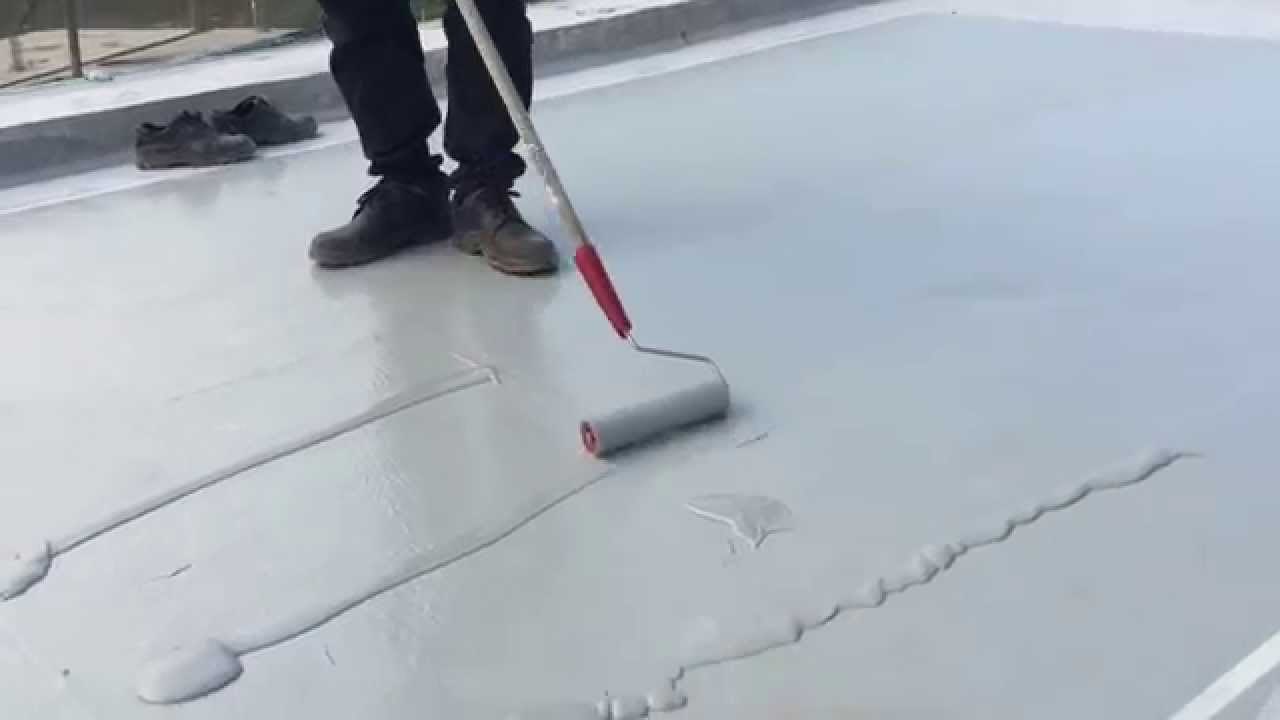
Absolutely! Having the right tools is key to a successful application. Brushes, rollers, and sometimes sprayers—depending on the coating’s viscosity—are essential. Don’t skimp on quality tools; the better your equipment, the smoother your application process will be.
How does elastomeric waterproofing compare to traditional waterproofing methods?
Let’s be clear: elastomeric coatings dwarf traditional methods regarding flexibility and longevity. Traditional options often chip or need frequent replacements. While elastomeric coatings require a higher initial investment, they ultimately save costs in maintenance over time.
What should I do if the elastomeric coating fails?
First off, take a breath! Start by figuring out the cause of the failure—was it a mistake in application, surface prep mistakes, or maybe even a bad batch? In most cases, you’ll need to remove the failing coating and reapply. Use the experience as a lesson to prevent similar issues in the future.
Is professional application necessary, or can I do it myself?
Going the DIY route is tempting, but I wouldn’t advise it unless you’re well-prepared. The stakes here are high, and if the application goes wrong, you’ll regret it. If you’re unsure, hiring a pro might save you a lot of hassle and ensure a job done correctly.
Useful Resources
- NAIOP – Commercial Real Estate Development Association
- American Society of Concrete Contractors (ASCC)
- International Concrete Repair Institute (ICRI)
- S. Environmental Protection Agency (EPA)
- National Roofing Contractors Association (NRCA)
- Building Performance Institute (BPI)
- Canadian Construction Association (CCA)
- Architectural Engineering and Construction Division (AECD)
- Green Building Advisor